Herbal Tea – Ayurvedic Herbal Tea & Classical Kwath for Detox, Digestion, Immunity & Daily Wellness
Herbal tea has been used by humans for more than 5000 years as part of wellness traditions, from ancient India to China and Egypt, where plant infusions were prepared not only for taste but also for daily health support. Over time, herbal tea became a simple way to incorporate natural ingredients into an everyday routine. It is still popularly chosen today for its gentle nature and the way it may help support detox, digestion and immunity in a balanced way, which is why many people explore herbal tea benefits as part of a daily lifestyle.
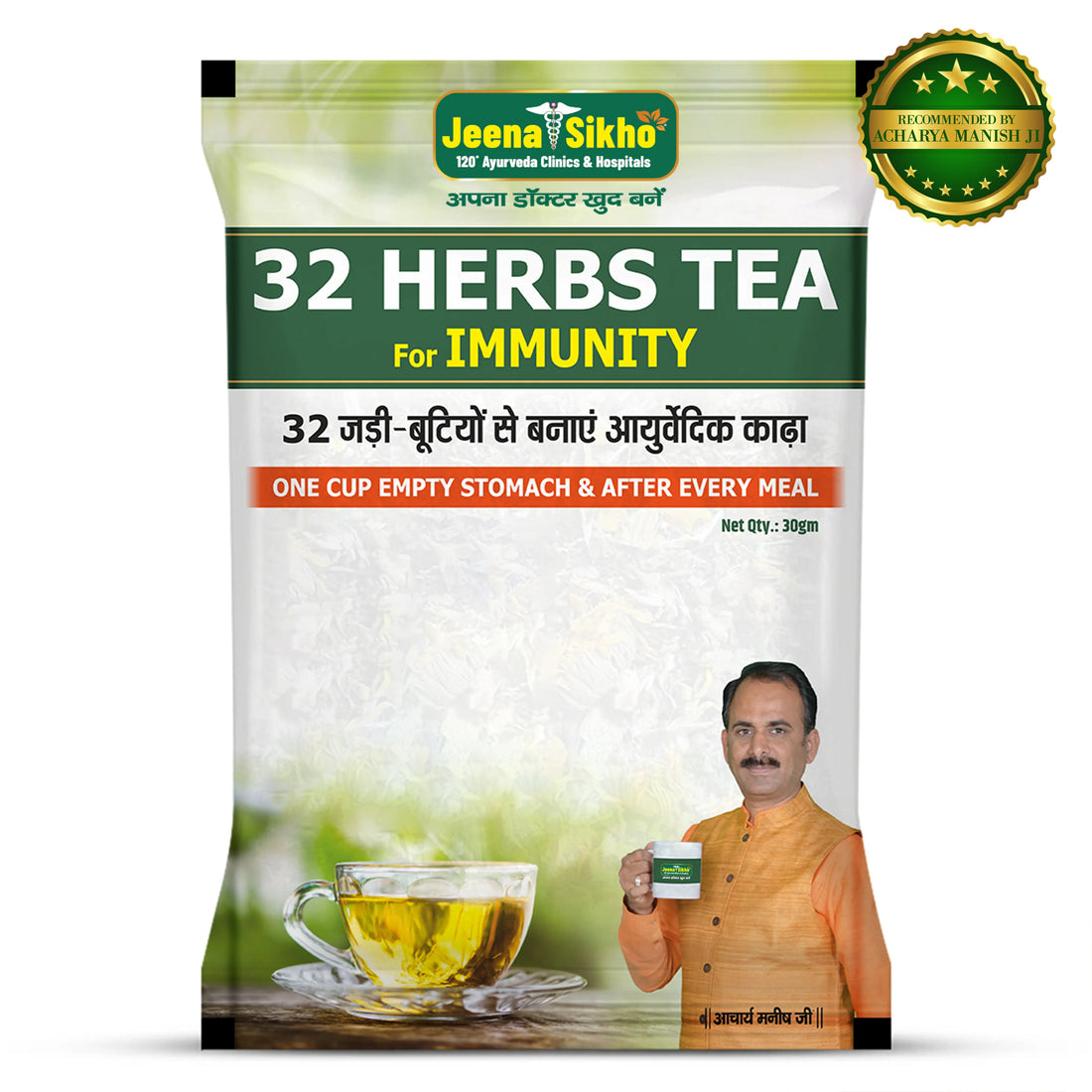
At Jeena Sikho, we continue this tradition with a range of Ayurvedic herbal teas, which are specially formulated to address various health problems. From the flagship 32 Herbs Tea, which combines a variety of classic herbs for daily detox and digestion support to organ-specific teas for liver, kidney and heart health, each blend is formulated with a purpose. The collection also features herbal teas, in addition to classic kwath formulations, a traditional Ayurvedic decoction method involving a more profound extraction of herbs and a more powerful action, traditionally used to support internal balance and long-term well-being. This is what distinguishes it from the best herbal teas in India when you want to try something other than the usual tea options.
What Is Herbal Tea (Kashaya / Kwath)? Definition, Origins & Ayurvedic Science
What is herbal tea? Herbal tea is made by infusing dried or fresh herbs, flowers, roots, bark, seeds or spices in hot water. Herbal teas do not have tea leaves in them and are naturally caffeine-free, unlike regular tea, which comes from the Camellia sinensis plant. In Ayurveda, herbal infusions are called 'kashaya' when steeped and 'kwath' when boiled to make a more concentrated, medicinally potent decoction.
Herbal tea is not the same as regular tea (green tea or black tea) – it’s also called a tisane. Regular tea is always made from the leaves of the Camellia sinensis plant and herbal tea from natural ingredients like tulsi, ginger, chamomile flowers, lemongrass or spices. Most herbal tea options are naturally caffeine-free due to these factors, and they are often selected as part of a daily wellness routine. However, many people search for the herbal tea meaning to understand this difference clearly. The key idea, as said, is simple. Herbal tea is not made from tea leaves. It is a plant-based infusion prepared using a variety of herbal tea ingredients.
In the Ayurvedic system, the herbal tea is closely related to kashaya and kwath. The term 'kashaya' broadly refers to a mild infusion prepared by soaking or steeping the herbs in hot or cold water. Kwath is a classical Ayurvedic decoction in which herbs are boiled in water until it is reduced to one-fourth of its original volume. This process creates a more potent and concentrated preparation, which is traditionally used to help support internal balance.
Five types of liquid herbal preparations are described in the ancient Ayurvedic texts, such as Charaka Samhita, Panchavidha Kashaya Kalpana Swarasa (juice), Kalka (paste), Kwath (decoction), Hima (cold infusion) and Phanta (hot infusion). Kwath is still one of the most used methods among these to date, especially in traditional Indian kadha preparations.
Herbal tea ke fayde depend karte hain usme use hone wale herbs par. Some blends are designed to assist with digestion, some to support immunity and some to help you relax. It is the variety that has made possible the many types of herbal tea we have today, each with a specific purpose.
Types of Tea — From Herbal & Green to Ginger, Chamomile & Ayurvedic Kwath Explained
Different types of tea and ingredients, tastes and uses are available today. Types of teas generally come under two classifications: regular teas, which are derived from the tea plant Camellia sinensis, and herbal teas, which are made up of leaves, flowers, and spices. Familiarity with these types will allow you to choose your tea for everyday use.
Tea Types Reference Table (targeting a 'list of herbal teas and their medicinal uses:
Tea Type
|
Made From
|
Key Benefits
|
Caffeine?
|
Ayurvedic Equivalent
|
Jeena Sikho Alternative
|
|
Chamomile Tea
|
Chamomile flowers (Matricaria chamomilla)
|
Sleep improvement, anxiety help, anti-
inflammatory, IBS help, period cramps
|
Caffeine
-free
|
Shatapatri — Rose family calming tea; Brahmi tea for the mind
|
32 Herbs Tea contains calming herbs
|
|
Ginger Tea
|
Fresh or dried ginger root (Zingiber officinale)
|
Nausea support, digestion, anti-
inflammatory, immunity, sore throat, morning sickness
|
Caffeine
-free
|
Shunti Kashaya — classical ginger tea for Agni and Vata
|
32 Herbs Tea + Immunity Support Herbal Tea
|
|
Tulsi
(Holy Basil) Tea
|
Ocimum tenuiflorum / Tulsi leaves
|
Immunity, stress, respiratory health, antiviral, and adaptogen
|
Caffeine
-free
|
Tulasi Kashaya — listed in Charaka Samhita for respiratory Kapha
|
Immunity Support Herbal Tea
|
|
Hibiscus Tea
|
Hibiscus sabdariffa / Roselle flowers
|
Blood pressure reduction, cholesterol, heart health, Vitamin C, antioxidant
|
Caffeine
-free
|
Japakusuma — Hibiscus in Ayurvedic cardiac herbs
|
Heart Healer Herbal Tea + Hriday Shuddhi Kwath
|
|
Green Tea
|
Young leaves of Camellia sinensis (minimal oxidation)
|
Antioxidant, weight loss, metabolism, brain health, cancer prevention
|
Contains caffeine (25-35 mg/cup)
|
No direct Ayurvedic equivalent — use Tulsi and Brahmi tea for similar benefits
|
Immunity Support Herbal Tea (caffeine-free alternative)
|
|
Spearmint Tea
|
Mentha spicata / Spearmint leaves
|
Anti-
androgenic (PCOS support), digestion, memory, and anti-
inflammatory
|
Caffeine
-free
|
Pudina Kashaya — mint tea in Ayurveda for Pitta and digestion
|
32 Herbs Tea (contains digestive herbs)
|
|
Chamomile + Lavender Tea
|
Chamomile flowers + Lavender buds
|
Sleep, anxiety, relaxation, anti-stress
|
Caffeine
-free
|
Brahmi
+ Jatamansi
+ Ashwagandha tea for sleep
— classical Medhya Rasayana herbs
|
32 Herbs Tea — contains calming adaptogenic herbs
|
|
Blue Tea (Butterfly Pea)
|
Clitoria ternatea flowers
|
Antioxidant, memory, anti-anxiety, blood pressure, pH-reactive colour
|
Caffeine
-free
|
Shankhpushpi — classical Medhya herb with similar brain-health action
|
32 Herbs Tea may contain Shankhpushpi
|
|
Dandelion Tea
|
Taraxacum officinale / Dandelion root or leaves
|
Liver detox, diuretic, digestion, gut health, anti
-inflammatory
|
Caffeine
-free
|
Dugdhapheni / Dugdha Phena — classical Ayurvedic liver herb
|
Liver Care Herbal Tea + Yakrit Shuddhi Kwath
|
|
Lemongrass Tea
|
Cymbopogon citratus / Lemongrass stalks
|
Digestion, anti-bacterial, anti-anxiety, cholesterol reduction, detox
|
Caffeine
-free
|
Bhustrina — lemongrass in Ayurvedic digestive formulas
|
32 Herbs Tea — contains Bhustrina-family herbs
|
|
Kahwa (Kashmiri)
|
Green tea + saffron + cardamom + cinnamon + rose petals
|
Energy, warming, immunity, digestion — traditional Kashmiri wellness brew
|
Low caffeine (green tea base)
|
Masala Kadha — classical warming tea combining Ushna's spices
|
32 Herbs Tea — classical warming herb blend
|
|
Liquorice (Mulethi) Tea
|
Glycyrrhiza glabra / Mulethi root
|
Sore throat, acidity, GERD, adrenal support, and anti-H. pylori
|
Caffeine
-free
|
Madhuyashti Kashaya — classical throat and stomach herbs
|
32 Herbs Tea may contain liquorice.
|
A good one is herbal tea; it's naturally caffeine-free, and you can make it from all sorts of herbs. Chamomile tea is often used to relax, and ginger tea is a popular choice for soothing the throat and aiding digestion. You’ve probably heard of the lemon tea benefits or hibiscus tea benefits for your heart wellness or the refreshing and balancing spearmint tea.
In Ayurveda, these teas are seen in another way. Each herb is special for you, not just for taste or trend, but for the effect on the body. For example, the chamomile tea benefits are often associated with relaxation, while the black tea benefits are more associated with stimulation and alertness. Blue tea benefits are linked to antioxidants and brain support, and matcha tea benefits are associated with energy and focus from caffeine content. Oolong tea, kahwa tea and other teas are also drunk for specific lifestyle purposes.
This is where traditional preparations like Kwath become relevant. Modern teas are about convenience; Ayurvedic kwath and herbal blends are purpose-driven, whether for detox, digestion or balance. Products such as multi-herb blends bridge the gap between the modern way of drinking tea and traditional Ayurvedic knowledge.
Herbal Tea Benefits — The Best Tea for Every Health Concern (Herbal Tea Ke Fayde)
Herbal teas are a simple way to harness the medicinal properties of plants in their most bioavailable form. Hot water is a good solvent for extracting active compounds from herbs in a readily digestible format. With a herbal tea for just about every daily wellness issue, from sore throat and immunity support to weight loss, digestion, detox and sleep. Hence, many people are researching herbal tea benefits and herbal tea ke fayde as a natural lifestyle approach.
Health Concern to Jeena Sikho Product Mapping Table:
Health Concern
|
Best Herbal Teas (General)
|
Best Jeena Sikho Product
|
Key Herbs / Why
|
Search KW Targeted
|
|
Sore Throat & Cough
|
Ginger tea, Mulethi tea, Tulsi tea, Honey-lemon tea
|
Immunity Support Herbal Tea + 32 Herbs Tea
|
Tulsi (anti-viral), Ginger (anti-inflammatory), Mulethi (throat coating, anti-H.pylori)
|
best tea for sore throat
|
|
Immunity Support
|
Tulsi tea, Moringa tea, Turmeric tea, Ginger tea
|
Immunity Support Herbal Tea
|
Giloy (Tridoshic immunomodulator), Tulsi, Amla — classical Rasayana immunity herbs
|
herbal tea for immunity
|
|
Weight Loss / Metabolism
|
Green tea, Oolong tea, Ginger tea, Lemon tea
|
32 Herbs Tea
|
Trikatu (thermogenesis), Triphala (Ama removal), metabolism herbs in 32 Herbs Tea
|
herbal tea for weight loss
|
|
Digestion & Bloating
|
Ginger tea, Fennel tea, Peppermint tea, Chamomile tea
|
32 Herbs Tea
|
32 Herbs Tea contains Ajwain, Saunf, Jeera, Ginger, Triphala — comprehensive digestive formula
|
digestive tea
|
|
Liver Detox
|
Dandelion tea, Milk thistle tea, Green tea
|
Liver Care Herbal Tea + Yakrit Shuddhi Kwath
|
Bhumi Amla (SGPT reduction), Kutki (bile stimulant), Punarnava (liver tonic)
|
herbal detox tea
|
|
Kidney Health & Stones
|
Dandelion tea, Nettle tea, Corn silk tea
|
Renal Care Ayurvedic Tea + Vrikk Shuddhi Kwath + Ashmari Shuddhi Kwath
|
Punarnava (diuretic), Gokshura (kidney tonic), Pashanbhed (stone dissolving)
|
herbal tea for kidney
|
|
Heart Health & BP
|
Hibiscus tea, Green tea, Hawthorn tea
|
Heart Healer Herbal Tea + Hriday Shuddhi Kwath
|
Arjuna (cardiac tonic), Hibiscus (BP reduction), Pushkarmool (cardiac support)
|
hibiscus tea benefits
|
|
Sleep & Stress
|
Chamomile tea, Lavender tea, Lemon balm tea
|
32 Herbs Tea (evening) + Immunity Support Tea
|
Brahmi, Jatamansi, Ashwagandha — classical Medhya Rasayana for sleep and stress
|
herbal tea for sleep
|
|
Detox & Colon Cleanse
|
Dandelion tea, Green tea, Ginger tea
|
32 Herbs Tea + Yakrit Shuddhi Kwath
|
32 herbs provide comprehensive Ama Pachana (detox of undigested metabolic waste)
|
best detox tea
|
|
Acidity & GERD
|
Licorice tea, Chamomile tea, Ginger tea
|
32 Herbs Tea (with Mulethi and Pitta-cooling herbs)
|
Mulethi (Madhuyashti), Shatavari, Pitta-Shamana herbs in classical formula
|
herbal tea for acidity
|
|
Diabetes-
Friendly Wellness
|
Cinnamon tea, Green tea, Chamomile tea
|
32 Herbs Tea + DB Care Juice (combo)
|
Cinnamon (insulin sensitivity), Gurmar (sugar destroyer) herbs
|
herbal tea for diabetes
|
|
Joint Pain & Inflammation
|
Turmeric tea, Ginger tea, Green tea
|
32 Herbs Tea (anti-inflammatory herbs)
|
Haldi, Shunti, anti-inflammatory classical herbs in 32 Herbs Tea
|
herbal tea for joint pain
|
|
PCOS / Women's Wellness
|
Spearmint tea, Chamomile tea, Raspberry leaf tea
|
32 Herbs Tea
|
Spearmint (anti-androgenic), Shatavari (female hormonal balance)
|
herbal tea for pcos
|
|
Energy & Focus
|
Green tea, Ginger tea, Brahmi tea
|
Immunity Support Herbal Tea + 32 Herbs Tea
|
Brahmi (cognitive), Ashwagandha (adaptogen energy), Giloy (vitality)
|
herbal tea for energy
|
Best Herbal Tea for Cough, Sore Throat, & Immunity Support
When it comes to throat discomfort, there are many options like ginger tea, tulsi tea and mulethi tea. These herbs have traditionally been used to soothe the throat and support immunity. These herbs are combined in a blend called Immunity Support Herbal Tea or 32 Herbs Tea and are a practical choice for daily use for those looking for the best tea for sore throat.
Herbal Tea for Weight Loss & Metabolism
Many people search for herbal tea for weight loss, often comparing it to the green tea benefits or oolong tea. While green tea has been known to boost your metabolism, herbal blends take it a step further by combining several herbs like Triphala and Trikatu that are commonly used to promote digestion and metabolic balance.
Digestive Tea for Bloating & Gut Health
Ginger tea, fennel tea or peppermint tea is great for digestive complaints such as bloating or heaviness. The 32 Herbs Tea is a multi-herb blend that contains ingredients like ajwain, jeera and saunf. It is an all-round digestive tea that can be drunk daily.
Herbal Detox Tea for Liver & Body Cleansing
Cleansing routines often feature detox teas, such as dandelion or green tea. You can find traditional liver blends in Ayurveda, like Liver Care Herbal Tea or Yakrit Shuddhi Kwath, that are used to support internal detox pathways and so are closer to a structured herbal detox tea approach.
Herbal Tea for Sleep & Stress Support
Chamomile tea and lavender tea are commonly used for relaxation. They are often selected for their soothing qualities. Ayurvedic blends with herbs like Brahmi and Ashwagandha are traditionally used for mental calmness, making them a good choice if you are looking for a herbal tea for sleep.
Overall, in general, for herbal teas, there are many choices according to concern. Different blends are created for different purposes, so it is important to find the right tea for you, rather than a one-size-fits-all solution.
How to Brew Herbal Tea & Kwath — Step-by-Step Guide (Herbal Tea Kaise Banaye)
Knowing how to make tea properly can make a big difference in taste as well as effectiveness. Whether you are preparing a simple herbal infusion or a stronger Ayurvedic decoction, the method matters. Many people search for how to make herbal tea, how to make green tea, or herbal tea kaise banaye, and the process is actually simple when done correctly.
How to Make Herbal Tea — 5 Simple Steps
Step 1 — Water Temperature
Use fresh boiling water for delicate herbs such as flowers and leaves, and allow to cool slightly (around 85-90°C). Use full boiling water for harder ingredients such as roots or bark. Don't microwave water; it can impact the proper extraction.
Step 2 — Quantity
Use 1 teaspoon of loose herbal tea per 1 cup (200 ml) of water. For a stronger brew, use 2 teaspoons. Tea bags require one bag per cup. Always follow any instructions for the product, if there are any.
Step 3 — Steeping Time
Infuse leaves and flowers for 3 to 5 minutes. Roots and bark take 8-10 minutes. Seeds like jeera, ajwain or saunf take about 5-7 minutes. If you steep your tea for too long, it can get a little bitter or too strong.
Step 4 — Avoid Milk
Most herbal teas are best taken without milk. Milk may block the absorption of some plant compounds. But there are exceptions to the rule, like haldi doodh or ashwagandha milk, which are traditional preparations.
Step 5 — Best Time to Drink
For digestion, drink after meals. For detox, early morning on an empty stomach works best. For sleep, take it 30–60 minutes before bedtime. For weight management, it is often taken before meals.
How to Brew Kwath (Classical Ayurvedic Decoction)
Brewing a kwath is different from brewing regular tea. Take 1–2 teaspoons of the herbal mix, add it to 2 cups (around 400 ml) of water, and bring it to a boil. Then let it simmer on low heat for 15–20 minutes until it reduces to about one-fourth (around 100 ml). Strain and drink it warm. This slow-boiling process makes Kwath more concentrated compared to a normal herbal tea.
Herbal Tea Kaise Banaye (Hindi Context)
How to make herbal tea is easy to understand. Bring 1 cup of water to a boil, add 1 tablespoon of the herbal mix, cover, and simmer for 3–5 minutes. Uske baad chhan kar pila saktay hain. If you are making Kwath, it is cooked by boiling it, not just soaking. This is what makes Kwath different from a herbal tea.
Overall, making herbal tea is a simple daily habit once you get the hang of it, and it depends on the type of herbs you use.
What Is Kwath (Shuddhi Kwath)? Classical Ayurvedic Decoction vs Regular Herbal Tea — Why It's More Potent
Ayurveda does not treat all herbal preparations alike. Most of us are aware of herbal tea. But the classical texts speak of a more powerful form called ‘Kwath’, which is a traditional Ayurvedic decoction made by controlled boiling. Kwath is a classical Ayurvedic preparation for deeper, more targeted herbal action, unlike regular infusions. This process is what makes Ayurvedic herbal tea in the Kwath form different from everyday tea consumption.
Parameter
|
Regular Herbal Tea
|
Classical Kwath (Ayurvedic Decoction)
|
|
Preparation Method
|
Steeping herbs in hot water for 3-10 minutes
|
Boil herbs in water until the volume reduces to one-quarter, 15-25 minutes of active simmering
|
|
Active Compound Extraction
|
Extracts water-soluble compounds: volatile oils, some alkaloids, flavonoids
|
Extracts both water-soluble AND heat-stable compounds: glycosides, saponins, resins, tannins — more complete extraction
|
|
Concentration
|
Dilute — approximately 1:200 herb to water ratio after steeping
|
Concentrated — reduced from 4 parts water to 1 part decoction — approximately 4x more potent
|
|
Ayurvedic Pharmacological Class
|
Phanta (hot infusion) or Hima (cold infusion) — lighter, less potent
|
Kwath — the primary classical Ayurvedic preparation form, most commonly used in classical texts
|
|
Classical Reference
|
Not a primary Ayurvedic preparation form
|
One of the Panchavidha Kashaya Kalpana (5 classical liquid preparations) is described in the Charaka Samhita and the Ashtanga Hridayam
|
|
Taste / Palatability
|
Milder, more pleasant taste
|
Stronger, more bitter/astringent — typical of medicinal potency
|
|
Therapeutic Use
|
General wellness, daily ritual, mild support
|
Targeted organ support — liver (Yakrit Kwath), kidney (Vrikk Kwath), heart (Hriday Kwath), kidney stones (Ashmari Kwath)
|
|
Jeena Sikho Products
|
32 Herbs Tea, Liver Care Tea, Immunity Tea, Renal Care Tea, Heart Healer Tea
|
Hriday Shuddhi Kwath, Vrikk Shuddhi Kwath, Yakrit Shuddhi Kwath, Ashmari Shuddhi Kwath
|
Kwath is one of the Panchavidha Kashaya Kalpana, or the five classical liquid preparations cited in Ayurveda. It is more concentrated than a regular herbal tea as it involves boiling the herbs for a longer time, allowing for the extraction of deeper plant compounds. This is why it is traditionally used when a more focused approach is needed.
Shuddhi Kwath — Organ-Specific Ayurvedic Decoctions
Jeena Sikho’s Shuddhi Kwath range brings this classical concept into present-day times:
-
Hriday Shuddhi Kwath – For heart wellness, traditionally used with herbs like Arjuna for cardiac support.
-
Vrikk Shuddhi Kwath – It is for kidney and urinary health. It has classical ‘mutrala’ herbs like Punarnava and Gokshura.
-
Yakrit Shuddhi Kwath – A liver-cleansing decoction containing herbs such as Bhumi Amla and Kutki, traditionally used to balance the liver.
-
Ashmari Shuddhi Kwath – A formula for kidney stones and urinary issues. Includes herbs such as 'pashanbhed' mentioned in ancient texts.
The difference between a simple tea and a classical Kwath is important. Herbal teas are good for a daily routine and mild support, but Kwath is a deeper approach from the Ayurvedic perspective. The Shuddhi Kwath range is not just another set of teas. It is based on age-old Ayurvedic decoction methods, which are rarely available in ready-to-use formats these days.
That is what makes Jeena Sikho different; it’s not only about providing herbal teas but also about bringing classical Ayurvedic formulations to practical, everyday use.
Shop Jeena Sikho Herbal Teas Online — 10 Purposeful Teas for Every Wellness Concern
If you are searching for the best herbal tea in India, herbal tea price or planning to buy herbal tea online, it is important to choose blends that are made with a clear purpose. Jeena Sikho’s Ayurvedic herbal tea range is concentrated on certain health problems, mixing traditional knowledge with practical day-to-day use.
32 Herbs Tea — Our Star Product (Detox + Digestion + Daily Wellness)
Jeena Sikho has created 32 Herbs Tea as their signature Ayurvedic herbal tea for total daily wellness. Regular teas are one benefit, but this tea is a combination of 32 classical Ayurvedic herbs that support multiple systems together. It is commonly used for routine daily detox (Ama Pachana), digestion (Agni support), immunity and balance. It is a simple and practical option for people who want a single tea to fulfil multiple needs in their daily lives.
Organ-Specific Herbal Teas (Daily Use Blends)
Jeena Sikho also has single-focus herbal teas for more targeted needs:
-
Liver Care Herbal Tea (Liver Healer Herbal Tea) — Popular for liver health and detox, good for people with fatty liver or high SGPT.
-
Renal Care Ayurvedic Tea (Kidney Healer Tea) — Focused on kidney health and urinary support, often used for UTI care and general kidney wellness.
-
Heart Healer Herbal Tea — A blend for heart health, cholesterol and BP balance.
-
Immunity Support Herbal Tea — A daily blend of herbs such as Giloy, Tulsi and Amla, good for seasonal wellness and recovery phases.
Classical Shuddhi Kwath (Stronger Ayurvedic Decoctions)
For those who are looking for a more classic and concentrated approach, the Shuddhi Kwath range offers traditional Ayurvedic decoctions:
-
Hriday Shuddhi Kwath – A more powerful heart-centric formula for intensive support.
-
Vrikk Shuddhi Kwath — For the health of the kidney and urinary system.
-
Yakrit Shuddhi Kwath – For detox of liver & digestion.
-
Ashmari Shuddhi Kwath — A unique combination for kidney stone and urinary disorders.
All Products
Product
|
Type
|
Health Concern
|
Key Herbs
|
Best For
|
URL
|
|
32-Herb Tea
|
Herbal Tea
|
Detox + Digestion + Daily Wellness
|
32 classical Ayurvedic herbs — multi-system support
|
Daily wellness tea — everyone
|
store.jeenasikho.com/products/32-herbs-tea-detox-and-digestion-wellness
|
|
Liver Care Herbal Tea
|
Herbal Tea
|
Liver health, liver detox, SGPT
|
Bhumi Amla, Punarnava, Giloy
|
Fatty liver, elevated SGPT, liver wellness
|
store.jeenasikho.com/products/liver-healer-herbal-tea
|
|
Renal Care Ayurvedic Tea
|
Herbal Tea
|
Kidney health, UTI, creatinine
|
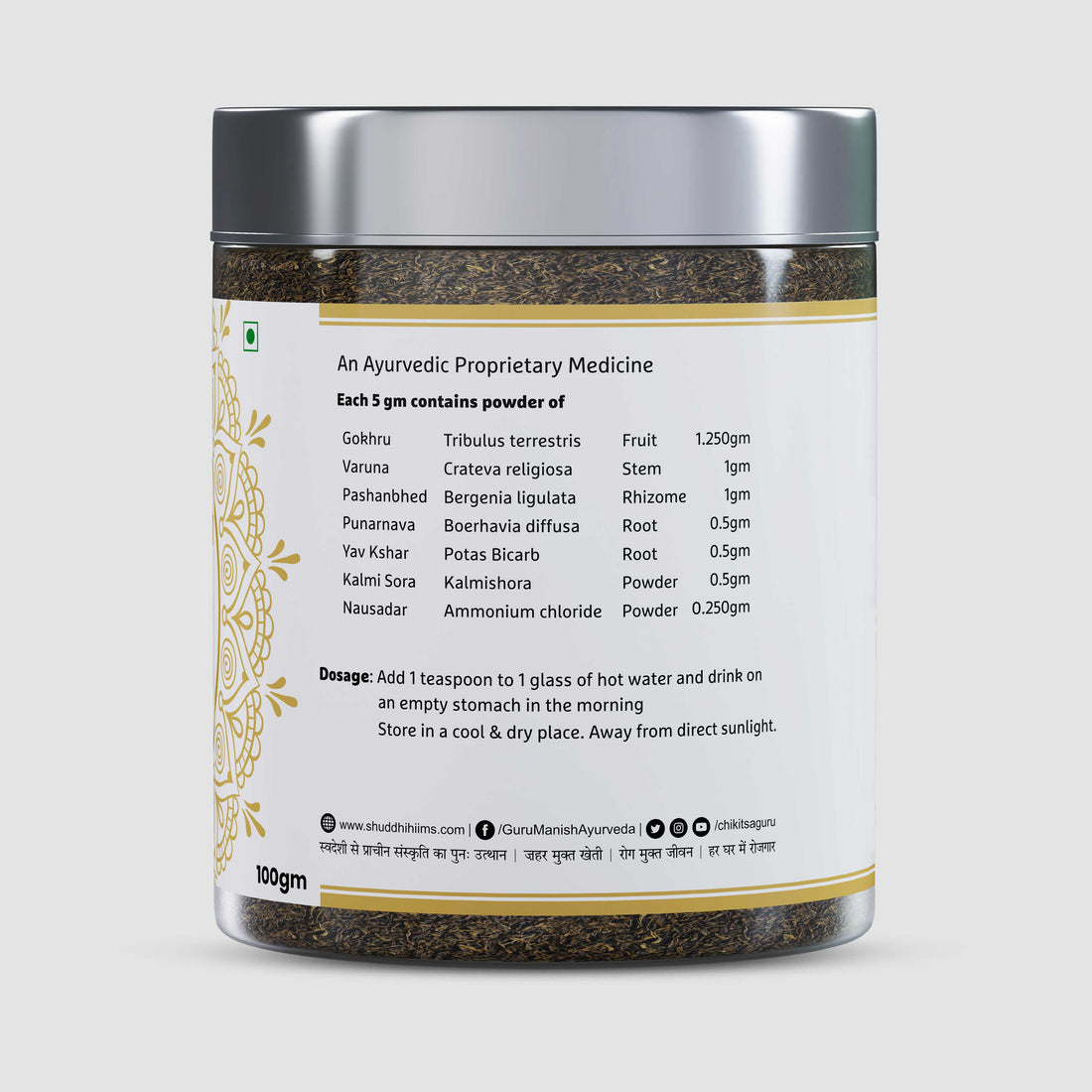
Punarnava, Gokshura, Varun
|
Kidney stones (prevention), UTI, kidney wellness
|
store.jeenasikho.com/products/kidney-healer-herbal-tea
|
|
Heart Healer Herbal Tea
|
Herbal Tea
|
Heart health, cholesterol, BP
|
Arjuna, Pushkarmool, cardiac herbs
|
Heart wellness, cholesterol, BP support
|
store.jeenasikho.com/products/heart-healer-herbal-tea
|
|
Hriday Shuddhi Kwath
|
Classical Kwath
|
Heart purification — intensive
|
Classical Hridaya herbs in decoction form
|
Traditional Ayurveda buyers — intensive cardiac support
|
store.jeenasikho.com/products/hriday-shuddhi-kwath-heart-wellness-tea
|
|
Vrikk Shuddhi Kwath
|
Classical Kwath
|
Kidney & urinary wellness
|
Punarnava, Gokshura, Varun in Kwath form
|
Kidney patients wanting classical approach
|
store.jeenasikho.com/products/vrikk-shuddhi-kwath-tea-kidney-urinary-wellness-support
|
|
Yakrit Shuddhi Kwath
|
Classical Kwath
|
Liver detox + digestion
|
Bhumi Amla, Kutki, Kalmegh
|
Liver detox, SGPT, traditional Ayurveda buyers
|
store.jeenasikho.com/products/yakrit-shuddhi-kwath-liver-detox-support-digestive-tea
|
|
Immunity Support Herbal Tea
|
Herbal Tea
|
Immunity, seasonal wellness
|
Giloy, Tulsi, Amla, Ashwagandha
|
Daily immunity boost, post-illness recovery
|
store.jeenasikho.com/products/immunity-support-herbal-tea
|
|
Ashmari Shuddhi Kwath
|
Classical Kwath
|
Kidney stones, urinary support
|
Punarnava, Gokshura, Pashanbhed
|
Kidney stones, gravel, urinary obstruction
|
https://store.jeenasikho.com/products/ashmari-shuddhi-kwath-tea-urinary-stone-care
|
|
|
|
|
|
|
So in this collection, every product is created with a specific purpose in mind, and you can select on the basis of your needs rather than guess. Whether you’re just exploring herbal tea benefits for your day or looking for a more focused Ayurvedic approach, this collection includes simple teas and deeper classical formulations.
Herbal Tea for Weight Loss, Detox, Immunity & Sleep — How Each Concern Is Addressed
Herbal Tea for Weight Loss & Metabolism
In the case of herbal tea for weight loss, the emphasis is usually on increasing metabolism and enhancing digestion. Many people compare it to green tea weight loss or even look for the best green tea for weight loss. Herbal blends work differently. Herbs such as Trikatu, Triphala and others are traditionally used to balance metabolism and digestion. This is why 32 Herbs Tea and other multi-herb blends are often chosen as daily herbal slimming teas to complement regular weight management, along with a proper diet and lifestyle.
Herbal Detox Tea for Liver & Gut Cleanse
A herbal detox tea works by supporting the body’s natural detox pathways, primarily the liver and digestive system. Herbs like Bhumi Amla, Kutki and Kalmegh have a traditional use for liver balance. The use of multi-herb blends for daily detox ensures a gentle cleanse, while more specific formulations, such as Yakrit Shuddhi Kwath is used for deeper support. The best detox tea for you will depend on whether you want daily maintenance or a more structured program.
Herbal Tea for Immunity Support
Combinations of Giloy, Tulsi, Amla and Ashwagandha are commonly used for those looking for herbal tea for immunity. Traditionally, these herbs have been known to help support general immunity and the body’s ability to adapt to seasonal changes. A blend like Immunity Support Herbal Tea brings these herbs together, providing an easy daily option to keep your routine consistent.
Herbal Tea for Sore Throat & Cough
Best Tea for Sore Throat usually has warming and soothing herbs like ginger, tulsi and mulethi. The warming properties of ginger are well known, and mulethi is commonly used as a throat soother. Use these ingredients to create herbal blends for seasonal discomfort. It’s often better to wait for the tea to cool a bit before adding honey for a better taste and soothing effect.
Herbal Tea for Sleep & Relaxation
When it comes to relaxing, people tend to search for herbal tea for sleep, such as chamomile tea or lavender tea. Brahmhi, ashwaghanda and other similar herbs are used in Ayurvedic medicine to reduce the anxiety experienced in the mind. A popular method is to drink an evening dose of a herbal mix of some of these ingredients to ease oneself before bed.
Why Choose Jeena Sikho for Ayurvedic Herbal Tea?
Jeena Sikho offers one of India’s most purpose-driven herbal tea collections, combining both daily herbal teas and classical Kwath (Ayurvedic decoction) preparations in one place. Each of the 10 teas is designed for a specific concern, from liver, kidney, and heart health to immunity and detox. The flagship 32 Herbs Tea brings together multiple classic herbs for daily wellness. The Shuddhi Kwath range is based on the traditional Ayurvedic preparation methods, which are rarely available in ready-to-use formats. Products are prepared in quality-controlled processes as per Ayurvedic standards.
Every cup of Jeena Sikho Herbal Tea or Kwath isn’t just a drink; it’s a ritual of daily wellness. You could start your routine with 32 Herbs Tea, or you could choose the blends that target your needs. However, no matter what you choose, try to make each cup a component of mindful living.
FAQ's
1. What is herbal tea, and how is it different from regular tea?
Herbal tea is not made from the tea plant (Camellia sinensis). Herbal tea is made by infusing herbs, flowers, roots, bark or spices in hot water. Unlike green, black or white tea, herbal teas have no caffeine in them naturally. In Ayurveda, these infusions are known as ‘Kashaya’ (a steeping method) or ‘Kwath’ (a boiling/decoction method), the latter of which is more concentrated and traditionally used for deeper support.
2. What is 32 Herbs Tea, and what are its benefits?
Jeena Sikho’s flagship Ayurvedic herbal tea, 32 Herbs Tea, is made from a blend of 32 classical herbs. It’s commonly used for daily detox, digestion support, immunity and overall wellness. It works on multiple systems together instead of single herbal teas, making it suitable for a daily routine tea instead of regular green or black tea.
3. Is herbal tea good for weight loss?
Some types of herbal tea can benefit weight loss if they are incorporated into the right lifestyle routine. Herbal tea may assist the metabolism, balance appetite and improve digestion. Ginger, triphala, and other digestive herbs may be included in blends. Herbal tea, however, is best as an adjunct, not an alternative to diet and exercise.
4. Does herbal tea contain caffeine?
Most herbal teas are naturally caffeine-free, as they are not made from tea leaves but herbs. Green tea, black tea, and oolong tea are types of regular teas that contain caffeine. Jeena Sikho’s herbal teas and Kwath formulations are caffeine-free for the most part, making them great for evening use and for those sensitive to caffeine.
5. What is a Kwath and how is it different from herbal tea?
Kwath is a traditional Ayurvedic medicine. The herb(s) are boiled in water and reduced into a concentrated liquid form. It is much stronger than herbal tea, which would involve only a short steeping of the herb(s) in hot water. Kwath is normally taken for particular health requirements.
6. Which Jeena Sikho tea is best for liver detox?
Liver detox usually comes with two options. Liver Care Herbal Tea for daily liver support and general liver health. For better focus, the classical formulation is used as Yakrit Shuddhi Kwath. It’s up to you whether you want gentle support each day or a more regimented routine.
7. Which tea is best for kidney stones?
Ashmari Shuddhi Kwath is a famous remedy for kidney stones, as it is made from herbs that have traditionally been related to urinary health. Vrikk Shuddhi Kwath is a second choice for the health of the kidney. However, kidney stones require proper medical evaluation, and herbal teas are often used as supportive care.
8. Is chamomile tea good for sleep?
One reason for this is that it is often drunk at night for its calming qualities. It is often chosen for relaxation and better sleep patterns. Similarly, in the Ayurvedic tradition, herbs like brahmi and ashwagandha play similar roles. Typically taken at bedtime, these herbal mixtures are drunk to help the person relax.
9. What is the best herbal tea for immunity in India?
Immunity boosters like herbal teas made from giloy, tulsi, amla and ashwagandha are popular. Immunity Support Herbal Tea contains all these herbs in one blend. Wider daily wellness can also include multi-herbs, such as the 32 Herbs Tea, on a routine basis.
10. How many cups of herbal tea can I drink per day?
For the majority of people, 2-3 cups of herbal tea per day are normally considered appropriate. For stronger preparations like Kwath, however, it is better to follow the recommended quantity on the label. Moderation is key, particularly with concentrated preparations of herbs.
11. Which tea is best for heart health?
Herbal mixes are often used for heart health and sometimes contain Arjuna. Heart Healer Herbal Tea is a mild daily option, and Hriday Shuddhi Kwath is a concentrated formulation. The properties of hibiscus tea also make it a common association with heart wellness.
12. Can I drink herbal tea during pregnancy?
Not all herbal teas are safe during pregnancy. Some herbs may not be recommended, so it is important to consult a doctor before using them. Mild choices such as ginger or chamomile tea are used occasionally in small quantities, but professional advice is always recommended before taking any herbal product.