Best Ayurvedic Medicine for Diabetes (Sugar Ki Dawa) — Complete Ayurvedic Diabetes Care Range
India has already acquired the tag of the 'diabetes capital of the world', with the number of diabetic patients already exceeding 101 million. Ayurvedic medicine for diabetes has always been helping patients in the long journey of diabetes management by solving the problem, not just the sugar levels. In Ayurveda, this disease is termed 'Madhumeh' or 'Prameha', where lifestyle and metabolism both play an important part.
Taking control of your diabetes can be anything from just being on tablets to having a holistic approach to overall diabetes management and balance alongside other health concerns for some. Sugar ki dawa or Ayurvedic sugar medicine, can meet health needs, as for many, the treatment does have relevance too. In various formats, including capsules, tablets, herbal juice, powder, syrup, drops and kits, Ayurvedic medicine for diabetes is available to suit your daily lifestyle.
If you are looking for the best Ayurvedic medicine for blood sugar, the following formulations are prescribed to balance diet and lifestyle.
What Is Diabetes (Madhumeh)? — Types, Definition & Blood Sugar Science
What is diabetes? Diabetes is a chronic metabolic condition in which the body cannot produce enough insulin or cannot use the insulin effectively, resulting in high blood glucose (blood sugar) levels. A blood sugar level of 126 mg/dL or higher for fasting and 200 mg/dL or above post-eating defines the condition diabetes. The Ayurvedic name of this disease is 'Madhumeh' or 'Prameha'. It is a case of Ratovir Bhram (impairment of Meda, Mamsa and Mutra Dhatus).
Look at the context: if someone asked, 'Diabetes kya hota hai?' They are simply asking that the body is not able to process the sugar. Either insulin is not made, or it is not used well. This condition leads to rising blood sugar levels over time, which may start affecting different organs if not managed. Understanding diabetes mellitus early has a significant impact. Whether it is type 1 diabetes or type 2 diabetes, knowing your blood sugar levels and keeping them within the normal range helps in better long-term diabetes care.
Type 1 vs Type 2 vs Gestational Diabetes: A Table
|
Type
|
Who Gets It
|
Cause
|
Insulin Status
|
Ayurvedic Classification
|
Manageability
|
|
Type 1 Diabetes
|
Children + young adults — any age
|
Autoimmune — body destroys insulin-producing beta cells
|
No insulin produced—insulin
dependent
|
Sahaja Prameha — congenital /genetic origin
|
Not reversible — managed with insulin
|
|
Type 2 Diabetes
|
Adults 30+ — accounts for 90-95% of all cases
|
Insulin resistance + progressive beta-cell failure — lifestyle-driven
|
Insulin produced but ineffective (resistance)
|
Apathyanimittaja Prameha — caused by wrong diet + lifestyle
|
Potentially manageable in early stages with lifestyle + Ayurveda
|
|
Prediabetes
|
Adults with metabolic risk factors
|
Insulin resistance — blood sugar above normal but below diabetes threshold
|
Insulin functional but borderline
|
Prameha Poorvaroopa — pre-disease stage
|
FULLY MANAGEABLE — ideal window for Ayurvedic intervention
|
|
Gestational Diabetes
|
Pregnant women — second/third trimester
|
Pregnancy hormones cause insulin resistance
|
Temporary insulin resistance
|
Garbhini Prameha — pregnancy
related
|
Usually resolves after delivery; increases future Type 2 risk
|
|
LADA (Type 1.5)
|
Adults — often misdiagnosed as Type 2
|
Slow autoimmune beta-cell destruction
|
Progressively decreasing
|
Rare — Sahaja Prameha variant
|
Not reversible — requires insulin over time
|
Blood Sugar Level Reference Chart
|
Blood Sugar Level
|
Fasting (mg/dL)
|
Post-Meal 2hr (mg/dL)
|
HbA1c (%)
|
Classification
|
Action
|
|
Normal
|
70-99
|
Less than 140
|
Less than 5.7%
|
Healthy — maintain with diet + lifestyle
|
Continue healthy habits
|
|
Prediabetes
|
100-125
|
140-199
|
5.7-6.4%
|
At risk — Ayurvedic intervention strongly recommended now
|
Diet + exercise + Ayurvedic herbs immediately
|
|
Diabetes
|
126 or above
|
200 or above
|
6.5% or above
|
Diabetes — medical + Ayurvedic management needed
|
Doctor consultation + medication + Ayurvedic support
|
|
Well-controlled diabetes (on treatment)
|
80-130
|
Less than 180
|
Less than 7%
|
Target for managed diabetics
|
Continue treatment + Ayurvedic support
|
|
Dangerous High (Hyperglycemia)
|
Above 250
|
Above 300
|
Above 10%
|
Emergency risk — DKA possible
|
Seek medical attention immediately
|
Diabetes Symptoms & Early Warning Signs (Diabetes Ke Lakshan) — 10 Signs You Must Know
Many people have type 2 diabetes for years with no type 2 diabetes symptoms, which is why regular blood sugar testing is essential. Understanding the diabetes symptoms early can actually prevent bigger complications later. Many people ignore small signs at first, thinking it’s just tiredness or routine stress. But over time, these signs of diabetes start becoming more noticeable. The 10 warning signs of diabetes (diabetes ke lakshan) are:
-
Frequent Urination (Prabhuta Mutrata)
The higher blood sugar levels become, the more the body attempts to get rid of the excess glucose through the urination. This results in the increased urination, often during the night. In Ayurveda, this symptom is considered a key sign of Madhumeh.
-
Excessive Thirst
Because the body keeps losing fluids, you feel thirsty again and again. Even after drinking water, the dryness may not go away easily.
-
Unexplained Weight Loss
In some cases, especially type 1 diabetes symptoms, the body starts breaking down fat and muscle for energy, causing sudden weight loss.
-
Constant Hunger
Even after eating, the body does not get enough usable energy. So hunger keeps coming back.
-
Blurred Vision
High sugar levels can affect the eye lens, making vision unclear for some time.
-
Slow-Healing Wounds
Cuts, bruises, or infections may take longer than usual to heal. This symptom is often ignored but it’s an important sign.
-
Frequent Infections
Skin issues, urinary infections, or fungal problems can happen more often due to high glucose levels.
-
Tingling or Numbness
A mild tingling feeling in hands or feet may appear. Such symptoms can be an early stage of nerve-related issues.
-
Extreme Fatigue
The body feels low on energy most of the time, even without much physical work.
-
Dark Skin Patches
Dark areas around the neck or underarms can be a sign of insulin resistance, often seen before type 2 diabetes develops.
These symptoms of diabetes may not appear all at once. Sometimes, people live with them for years without realising what is happening. That’s why regular testing becomes important, especially if you notice even 2–3 of these signs.
What Causes Diabetes & How to Prevent It (Prediabetes in India) — Risk Factors & Root Causes
If you look closely, most people don’t suddenly develop diabetes. It builds slowly over time. Understanding what causes diabetes also helps in knowing how to prevent diabetes before it becomes serious.
In simple terms, the causes of diabetes mellitus are linked to how the body handles insulin. Diabetes mellitus develops when the body either resists insulin or cannot use it properly. This condition is often connected with daily habits. Many diabetes risk factors like diet, lifestyle, stress, and even sleep patterns quietly contribute to rising blood sugar levels. Some people also ask, is diabetes hereditary? Yes, genetics plays a role, but lifestyle usually decides how early it shows.
Causes & Risk Factors Table
|
Root Cause
|
Modern Medicine Explanation
|
Ayurvedic Root Cause
|
India Prevalence
|
Prevention Action
|
|
Poor Diet — Refined Carbs + Sugar
|
Excess glucose → insulin resistance → beta-cell exhaustion
|
Atisnigdha Ahara + Guru Ahara — heavy, oily, sweet food aggravating Kapha-Meda
|
Very high — Indian diet is high-glycemic (white rice, maida, sugar)
|
Switch to millets and brown rice; increase vegetables + fibre
|
|
Physical Inactivity / Sedentary Lifestyle
|
Muscles don't use glucose → insulin resistance builds
|
Alasya — physical inactivity causing Meda Dhatu accumulation (Medoroga)
|
Extremely high — India has one of world's highest sedentary rates
|
A 30-min brisk walk daily reduces Type 2 risk by 30-40%
|
|
Obesity — Especially Abdominal Fat
|
Visceral fat releases inflammatory signals that disrupt insulin signalling.
|
Medoroga — excess Meda (fat tissue) obstructing Srotas (channels)
|
40%+ of urban Indians have central obesity
|
5-7% weight loss dramatically reduces pre-diabetes progression
|
|
Genetics / Family History
|
Risk doubles with one diabetic parent; 50%+ with both parents
|
Sahaja (genetic) component — Prakriti predisposition to Kapha-dominant disorders
|
India has genetic predisposition — Asian bodies show insulin resistance at lower BMIs.
|
Cannot change genes but lifestyle changes override genetic risk significantly
|
|
Chronic Stress
|
Cortisol raises blood sugar chronically → insulin resistance
|
Manasika Nidana — mental stress causing Pitta-Vata aggravation, disrupting metabolism
|
Extreme — India's working population has among the world's highest stress levels
|
Pranayama, Brahmi herb, sleep, meditation
|
|
Sleep Deprivation
|
Poor sleep disrupts glucose metabolism and increases cortisol
|
Ratri Jagarana — late nights directly impair Agni and Meda metabolism
|
Urban India chronically sleep-deprived
|
Sleep 7-8 hours consistently before 11 PM
|
|
Age (40+ years)
|
Insulin sensitivity decreases with age – a natural metabolic slowdown
|
Vriddha Vaya Prameha — age-related metabolic decline
|
India's diabetic population heavily concentrated in 40-65 age group
|
Start Ayurvedic preventive herbs by age 35 if at risk
|
So if you’re wondering how to avoid diabetes, the answer is not one single thing. It’s a mix of better food, daily movement, proper sleep, and stress control. Even small changes, when done consistently, can help delay or sometimes prevent diabetes in the early stage.
Diabetes Complications & Can Diabetes Be Reversed? — The Ayurvedic Perspective
Diabetes is not just about high sugar levels. Over time, uncontrolled blood sugar starts affecting different parts of the body. This is where complications begin, and this is also why many people ask, 'Can diabetes be reversed or is diabetes curable?'
High blood sugar damages nerves, especially in hands and feet. This condition leads to tingling, numbness, or burning pain. In Ayurveda, this condition is linked to "Suptata", a known complication of Prameha. If ignored, it may slowly affect other body functions too.
In this condition, prolonged high sugar levels damage small blood vessels in the eyes. Vision may become blurry, and in severe cases, vision loss can happen. It usually develops slowly, which is why regular check-ups matter.
Poor blood circulation and nerve damage together make wound healing very slow. Even a small cut on the foot can turn into a serious ulcer. This condition is one of the most common and serious complications seen in long-term diabetes.
-
Kidney & Heart Complications
Diabetes can also affect kidneys (nephropathy) and increase the risk of heart disease. Over time, the kidneys weaken their filtration, and the heart's blood vessels become affected. This is why diabetes care is not just about sugar; it’s about overall health.
Can Diabetes Be Reversed?
Type 2 diabetes and prediabetes can be manageable in early stages with proper lifestyle changes, weight management, regular activity, and Ayurvedic support. Type 1 diabetes, however, cannot be reversed. Ayurveda explains that clearly early-stage conditions are Sadhya (manageable), while advanced stages become long-term conditions.
How to Manage Diabetes — Ayurvedic Approach
-
Stage 1 (Initial weeks): Focus on clearing habits, reducing sugar and refined foods, and start daily movement
-
Stage 2 (1–3 months): Improve digestion and metabolism through diet, herbs, and routine
-
Stage 3 (Long-term): Maintain balance with consistent lifestyle, proper food, and herbal support
If you’re asking how to control diabetes without medicine, the truth is it’s possible only in early stages and with strict discipline. Otherwise, it’s about managing it better, not ignoring it.
Ayurvedic Science of Diabetes — Prameha, Madhumeh & the 20 Types of Prameha
In Ayurveda, diabetes is not considered just a sugar problem. It is understood as a deeper metabolic imbalance. Ayurveda for diabetes describes this condition as Prameha, a group of disorders related to urine, metabolism, and tissue imbalance. Madhumeh is one of its advanced forms, often compared with modern Type 2 diabetes.
According to classical texts, there are 20 types of Prameha, 10 related to Kapha, 6 to Pitta, and 4 to Vata. Usually if a person is in the early stages of Diabetics usually get Kapha imbalance because of dietary/lifestyle factors. That's why it's no use treating the symptoms alone if you want Ayurveda's treatment for diabetes.
Now, in the Ayurvedic perspective, the major concept is Medoroga. The excess deposit of fat is a cause of Prameha. It is the same concept which modern science found out based on the knowledge of insulin resistance. Also, fat stored in the visceral area influences insulin utilisation. This concept had been told to us by Ayurveda long ago.
Another factor is Agni Dushti/weak digestion & metabolism. When the Agni gets sluggish, toxins (Ama) are generated which block the smooth working of various functions in the body. Hence, it does call for flushing out the toxins first. So many Ayurvedic remedies for diabetes focus on attempting to improve digestion first.
As the condition progresses, Ojas Kshaya occurs. Ojas is the body’s vital strength, and in diabetes, it gradually gets depleted due to excessive urination. This condition is the reason why people feel weakness, fatigue, and low immunity over time. Ayurvedic treatment aims to restore this balance through Rasayana (rejuvenation) support.
Prameha Classification & Ayurvedic Understanding
|
Type of Prameha
|
Dominant Dosha
|
Stage
|
Ayurvedic View
|
|
Kaphaja Prameha
|
Kapha
|
Early stage
|
Caused by poor diet and lifestyle
|
|
Pittaja Prameha
|
Pitta
|
Mid-stage
|
Metabolic disturbance increases
|
|
Vataja Prameha
|
Vata
|
Advanced stage
|
Tissue depletion and complications
|
Ayurveda also classifies diabetes into three practical stages:
-
Sadhya (correctable) – early stage or prediabetic 3
-
Yapya manageable – long-term T2 diabetes
-
Asadhya (not reversible) – diabetes in an advanced state (type 1 diabetes).
This classification also provides a more realistic picture. Not all cases are curable, but a lot are manageable and can be improved if caught early. That is the core idea behind sugar treatment in Ayurveda; it looks at the stage, not just the symptom.
Best Ayurvedic Diabetes Care Products at Jeena Sikho — India's Most Complete Range (Sugar Ki Dawa)
Finding the right ayurvedic medicine for diabetes often depends on individual needs; some prefer tablets, others juices or complete kits. This range is designed to cover different preferences and stages of diabetes care, from early support to long-term management. If you’re searching for the best ayurvedic medicine for diabetes or a reliable sugar ki dawa, having multiple formats helps build a more practical routine.
Flagship Diabetes Kits & Combos
These are complete daily-use combinations designed for people who want a structured approach. Diabetes Care Combo, Sugar Support Combo, and BP & Sugar Support Combo brings together multiple formulations for blood sugar, metabolism, and overall balance. Ideal for newly diagnosed Type 2 patients or those starting a full routine.
Capsules & Tablets for Blood Sugar
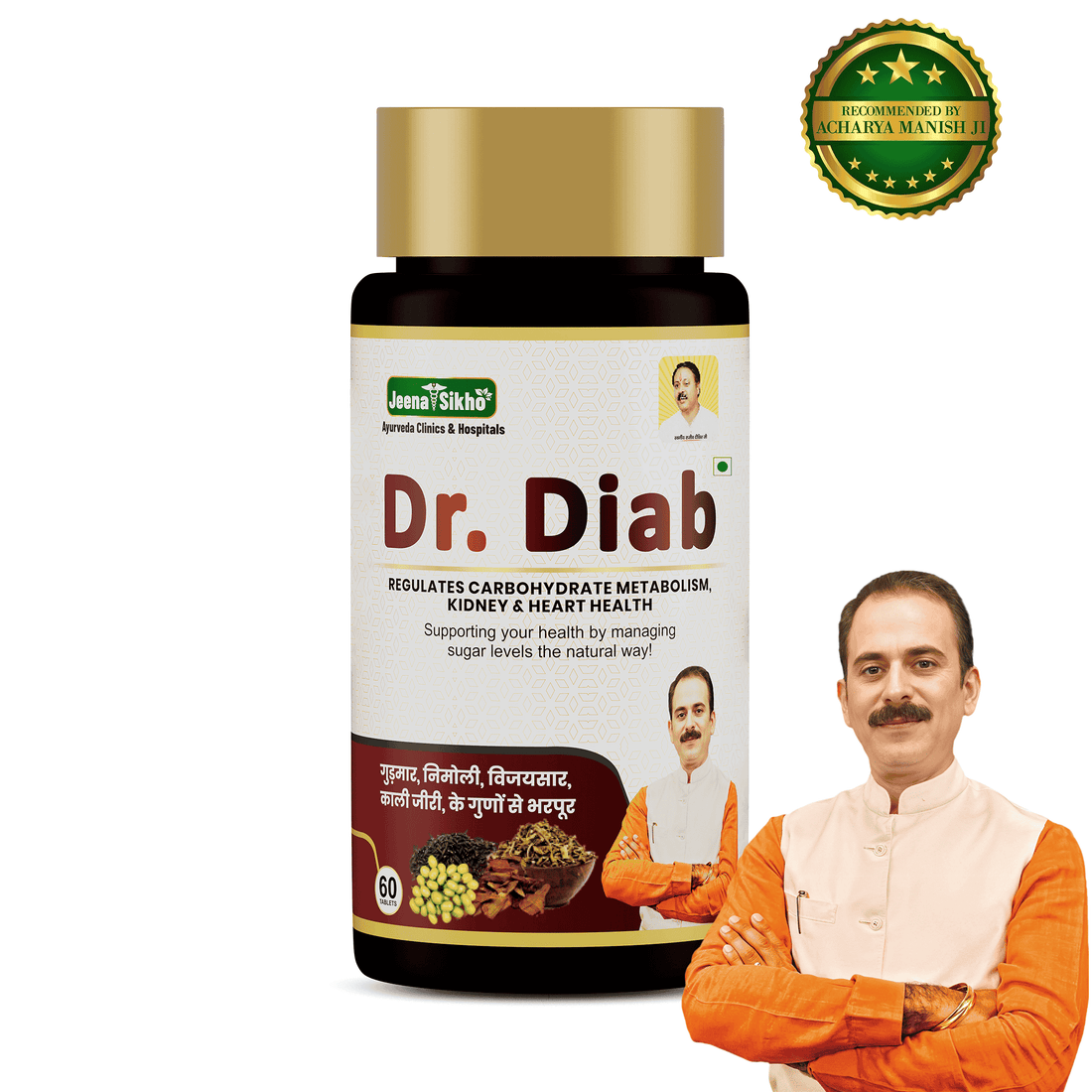
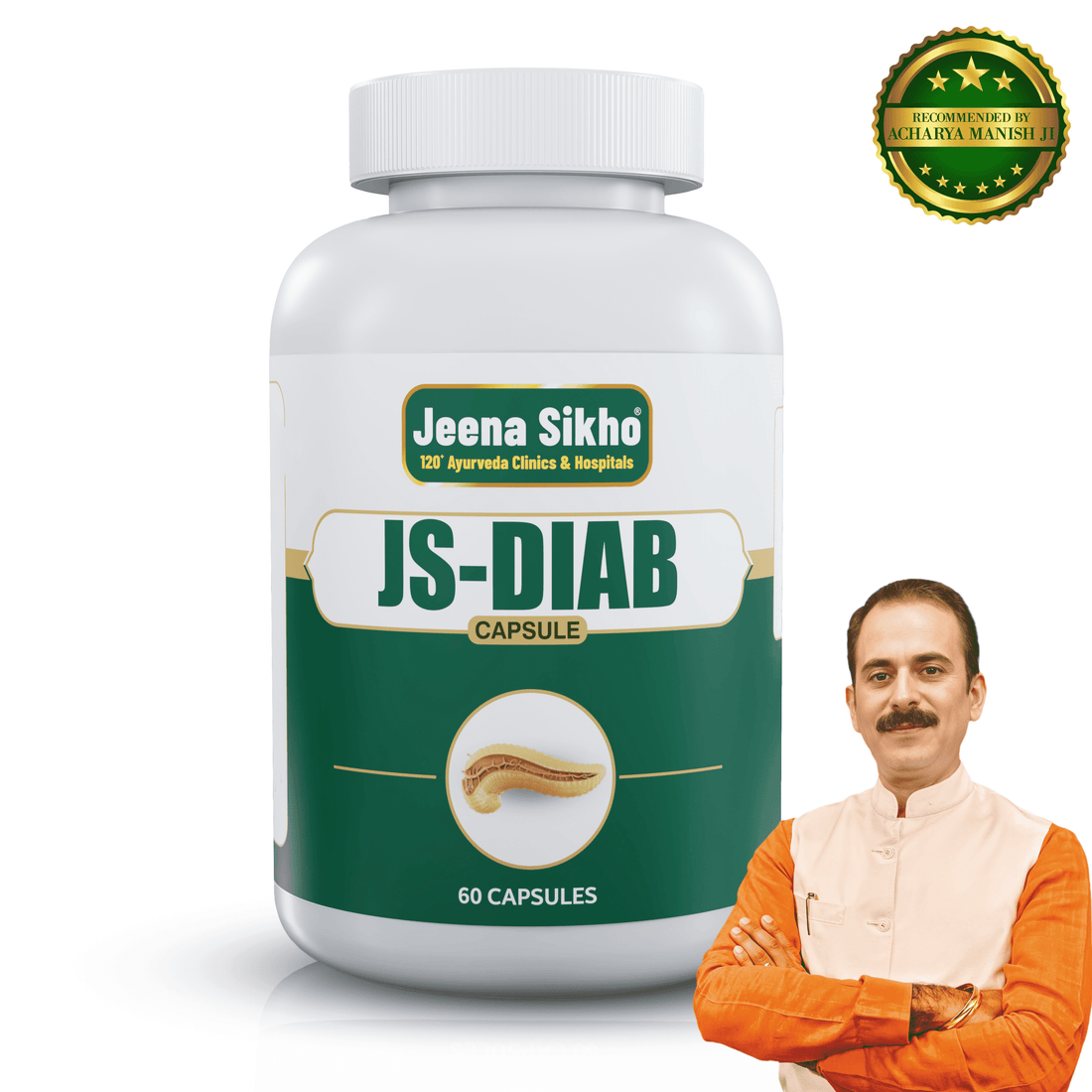
For those looking for diabetes ayurvedic capsules or ayurvedic sugar tablet options, this category includes Dr Madhu Care (flagship), Dr Diab Tablets (heart + kidney), DM Capsules, JS-DIAB Capsules, Bael Tablets, and Karela Tablets. Each focuses on a slightly different need like metabolism, digestion, or weight balance.
Herbal Juices for Diabetes
People who don’t want tablets daily prefer liquid options like Dia Care Juice and DB Care Juice. These are usually based on karela-jamun combinations and are designed for regular use as part of daily wellness.
Syrups for Blood Sugar
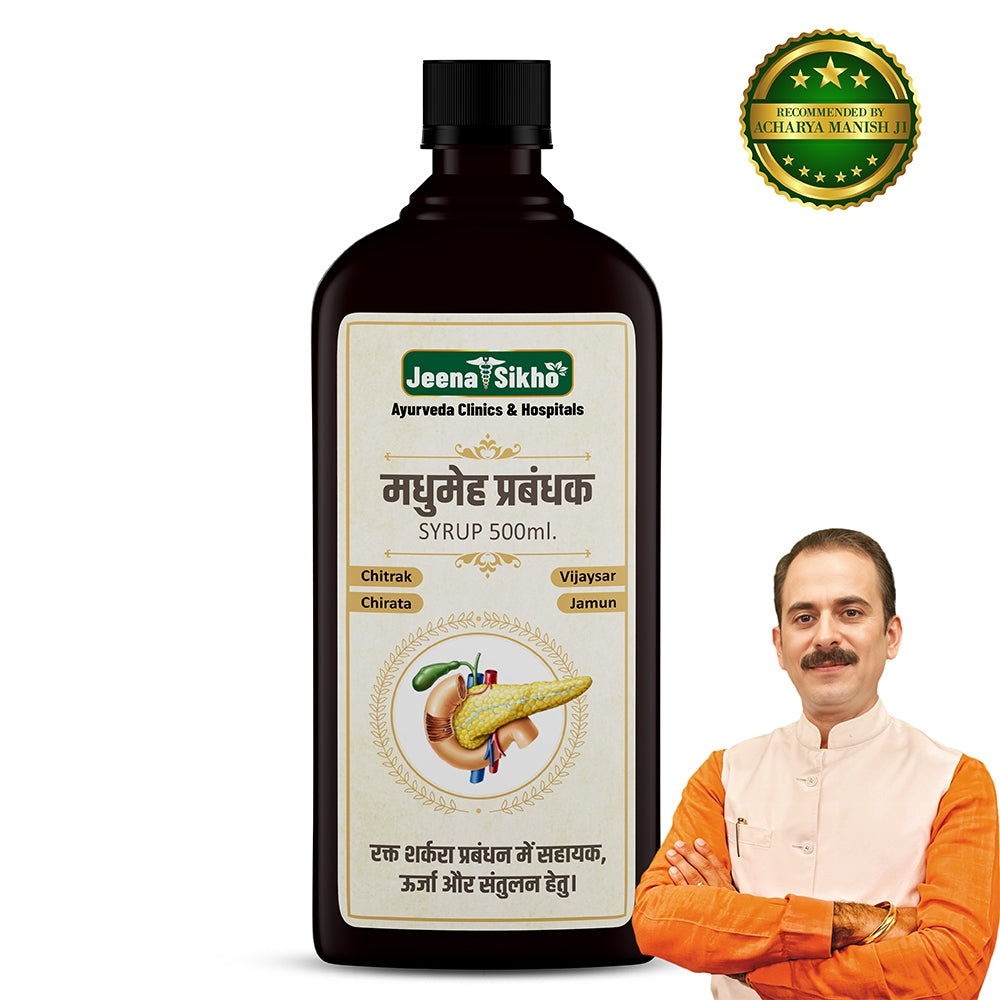
If you’re searching for a diabetes syrup, options like Madhumeh Parbandhak Syrup and DM+ Syrup are commonly chosen. These are suitable for elderly users or those who find liquid formats easier.
Powders
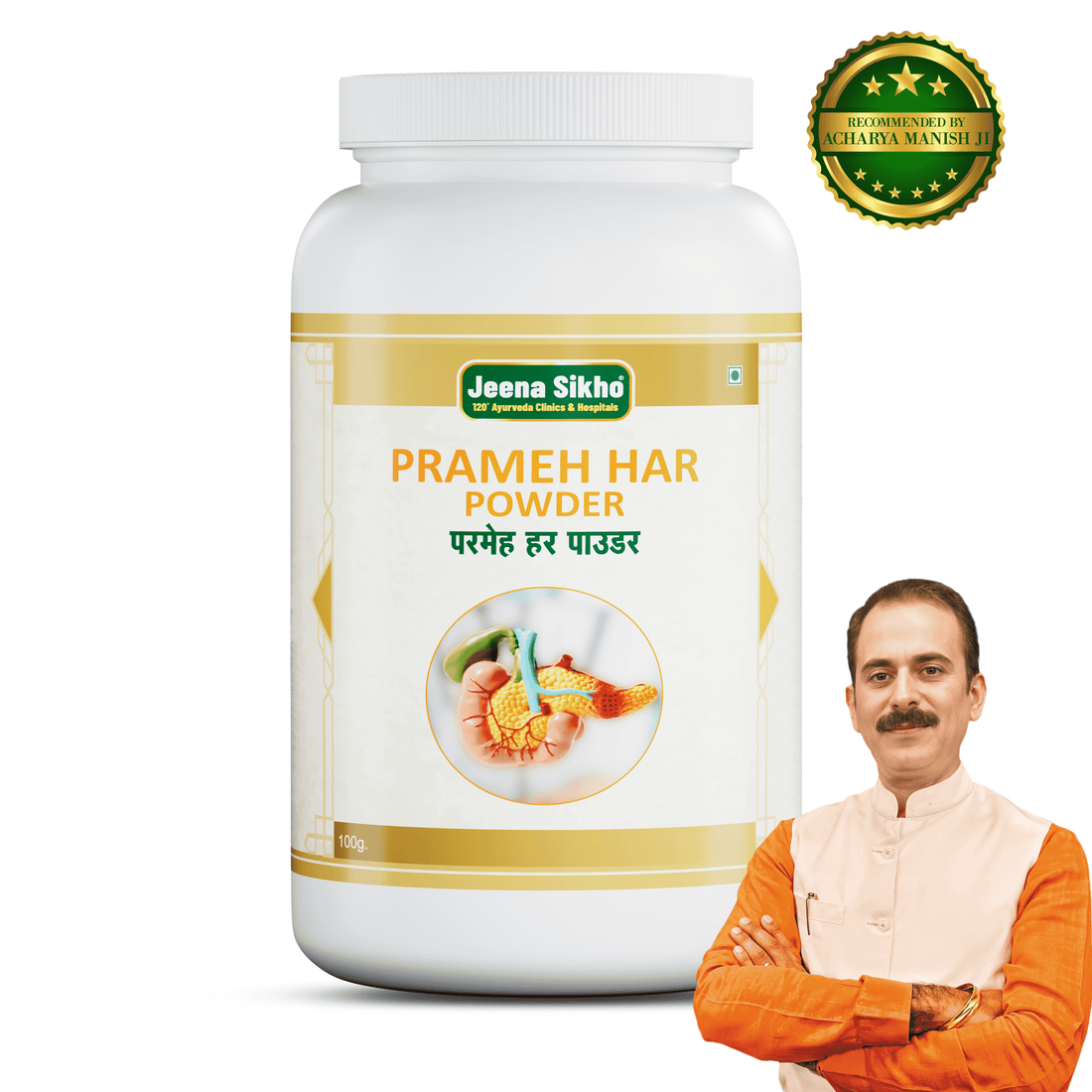
Prameh Har Powder and Prameha Hara Powder follow more traditional Ayurvedic formats. Users familiar with classical preparations often prefer these.
Drops
JS-Diabycare Drops offer a more modern format with quick absorption. Useful for people who prefer compact and easy-to-carry options.
All 17 Products — Quick Reference Table
|
Product
|
Form
|
Primary Concern
|
Key Herbs / Action
|
Best For
|
URL
|
|
Diabetes Care Combo
|
Kit
|
Complete Type 2 management
|
Multi-product protocol — blood sugar + metabolism + energy
|
Newly diagnosed Type 2 wanting full protocol
|
/products/diabetes-care-combo
|
|
Sugar Support Combo
|
Kit
|
Blood sugar + metabolic balance
|
Combo kit — sugar control + daily wellness
|
Budget-conscious buyers wanting value kit
|
/products/sugar-support-combo-metabolic-balance-wellness-kit
|
|
BP & Sugar Support Combo
|
Kit
|
Blood pressure + blood sugar dual
|
Addresses metabolic syndrome — BP + glucose together
|
Diabetic-hypertensive patients (very common)
|
/products/bp-sugar-support-combo
|
|
Anti Diabetic Shot
|
Shot/Liquid
|
Fast metabolic + blood sugar support
|
Quick-absorbing liquid shot formula
|
Working adults needing daily fast dose
|
/products/anti-diabetic-shot-ayurvedic-blood-sugar-metabolic-support
|
|
Dia Care Juice
|
Juice
|
Blood sugar + immunity
|
Karela, Jamun, Ayurvedic herbs — classical anti-diabetic formula
|
Daily wellness juice for Type 2 diabetics
|
/products/dia-care-juice-ayurvedic-blood-sugar-support-immunity
|
|
Dr. Madhu Care
|
Tablet/Capsule
|
Flagship — comprehensive diabetes management
|
Classical Madhumeh formula — HbA1c support
|
Core product for Type 2 diabetes management
|
/products/dr-madhu-ayurvedic-blood-sugar-diabetes-support
|
|
Dr. Diab Tablets
|
Tablet
|
Blood sugar + heart + kidney — triple
|
Targets diabetic complications proactively
|
Diabetics with kidney/heart concern
|
/products/dr-diab-ayurvedic-blood-sugar-support-tablets
|
|
DM Capsules
|
Capsule
|
Blood sugar + metabolism
|
Metabolic support — insulin resistance focus
|
Overweight diabetics with metabolic syndrome
|
/products/dm-capsules-ayurvedic-blood-sugar-metabolism-support
|
|
DB Care Juice
|
Juice
|
Blood sugar + energy + metabolic health
|
Karela-Jamun based — classical anti-diabetic herbs
|
Daily juice for energy + sugar control
|
/products/db-care-juice-blood-sugar-balance-support
|
|
Madhumeh Parbandhak Syrup
|
Syrup
|
Blood sugar + metabolism + energy
|
Classical Madhumeh (diabetes) syrup formula
|
Elderly, children, non-tablet users
|
/products/madhumeh-parbandhak-syrup-blood-sugar-support
|
|
JS-DIAB Capsules
|
Capsule
|
Blood sugar + metabolism + weight
|
Weight + sugar dual action — insulin resistance
|
Overweight diabetics needing weight support
|
/products/js-diab-blood-sugar-metabolism-support-capsules
|
|
JS-Diabycare Drops
|
Drops
|
Blood sugar + metabolism + energy
|
Fast-absorbing sublingual drops
|
Modern buyers preferring drop format
|
/products/js-diabycare-drops-blood-sugar-energy-support
|
|
Prameh Har Powder
|
Powder
|
Blood sugar + energy — classical Prameha
|
Herbal powder — classical Prameha formulation
|
Traditional buyers, rural market
|
/products/prameh-har-powder-ayurvedic-diabetes-blood-sugar-support
|
|
Bael Tablets
|
Tablet
|
Digestive wellness + blood sugar + immunity
|
Bael (Bilva) — digestive + anti-diabetic + immune
|
Diabetics with digestive issues
|
/products/bael-tablets-digestive-blood-sugar-immunity-inflammation
|
|
Karela Tablets
|
Tablet
|
Sugar care + detox + skin wellness
|
Karela (bitter gourd) — natural insulin mimetic
|
Karela buyers, skin + sugar concern
|
/products/karela-tablets-sugar-care-detox-skin-wellness
|
|
DM+ Syrup
|
Syrup
|
Blood sugar + metabolism + energy booster
|
Enhanced metabolism + energy syrup
|
Active diabetics needing energy + sugar control
|
/products/dm-plus-syrup-blood-sugar-support
|
|
Prameha Hara Powder
|
Powder
|
Blood sugar + metabolism — classical
|
Classical Prameha Hara formula in powder
|
Traditional Ayurveda buyers — Prameha concept aware
|
/products/prameha-hara-powder-ayurvedic-blood-sugar-support
|
This complete range allows flexibility, whether someone is just starting diabetes care or looking to improve an existing routine with Ayurvedic sugar medicine options.
Top Ayurvedic Herbs for Diabetes (Madhumeh) — Herb Profiles, Rasa-Veerya & How They Work
In Ayurveda, herbal medicine for diabetes is not based on one single herb. It is a combined approach in which different herbs work on metabolism, digestion, and overall balance. These herbs for diabetes have helped manage Madhumeh for centuries, and modern research is now also studying many of them.
Diabetes Herb Reference Table
|
Herb
|
Botanical Name / Ayurvedic Name
|
Key Anti-Diabetic Action
|
Modern Research
|
Dosha Effect
|
Found In Product
|
|
Karela (Bitter Gourd)
|
Momordica charantia / Karavellaka
|
Natural insulin mimetic — contains polypeptide-p and charantin that lower blood glucose by improving cellular glucose uptake
|
Over 100 clinical studies; reduces fasting blood sugar by 10-15% in multiple trials
|
Pacifies Kapha-Pitta
|
Karela Tablets, Dia Care Juice, DB Care Juice
|
|
Jamun (Black Plum)
|
Syzygium cumini / Jambul
|
Jamboline in seeds slows conversion of starch to sugar; reduces post-meal blood sugar spikes; protects pancreatic beta cells
|
Studies show significant reduction in post-prandial glucose and HbA1c
|
Pacifies Kapha-Pitta
|
DB Care Juice, Dia Care Juice
|
|
Gurmar (Sugar Destroyer)
|
Gymnema sylvestre / Meshashringi
|
'Gurmar' literally means 'sugar destroyer' — blocks sugar taste receptors, reduces sugar absorption in intestines, stimulates pancreatic beta cell regeneration
|
Studies: 400mg/day reduces HbA1c by 0.6% and fasting blood sugar significantly
|
Pacifies Kapha
|
Dr. Madhu Care, DM Capsules, JS-DIAB Capsules
|
|
Vijaysar
|
Pterocarpus marsupium / Bijaka
|
Bark is used as a diabetes herb — pterostilbene and epicatechin regenerate beta cells; reduce blood sugar and cholesterol
|
Traditionally water stored in Vijaysar wood tumbler is drunk for blood sugar — validated in clinical studies
|
Pacifies Kapha-Pitta
|
Prameh Har Powder, Prameha Hara Powder
|
|
Methi (Fenugreek)
|
Trigonella foenum-graecum / Medhika
|
High soluble fibre slows glucose absorption; 4-hydroxyisoleucine amino acid stimulates insulin secretion; reduces post-meal blood sugar
|
4g/day supplement: reduces fasting glucose and HbA1c in studies; standard Indian kitchen ingredient
|
Pacifies Kapha-Vata
|
DM+ Syrup, Madhumeh Parbandhak Syrup
|
|
Bael (Wood Apple)
|
Aegle marmelos / Bilva
|
Feronia lactone in bael regulates pancreatic enzyme secretion; anti-diabetic + digestive + anti-
inflammatory triple action
|
Reduces fasting blood glucose and improves glucose tolerance in diabetic animal models and early human studies
|
Pacifies Kapha-Pitta
|
Bael Tablets
|
|
Neem
|
Azadirachta indica / Nimba
|
Nimbidin and quercetin increase insulin receptor sensitivity and antioxidant protection of pancreatic beta cells
|
Studies show neem leaf extract reduces blood sugar by up to 28%
|
Pacifies Pitta-Kapha
|
DM Capsules, Karela Tablets (formulation)
|
|
Amla (Indian Gooseberry)
|
Emblica officinalis / Amalaki
|
Chromium in Amla increases insulin sensitivity; highest natural Vitamin C protects beta cells from oxidative damage
|
Reduces fasting blood sugar and HbA1c; also protects against diabetic complications (eye, kidney)
|
Pacifies Pitta
|
Dia Care Juice, DB Care Juice
|
|
Shilajit
|
Mineral Rasayana
|
Fulvic acid enhances nutrient absorption + insulin sensitivity; contains chromium and zinc for glucose metabolism
|
Studies: improves insulin sensitivity and reduces diabetes-related fatigue
|
Pacifies Vata-Kapha
|
Dr. Madhu Care, JS-DIAB Capsules
|
|
Turmeric (Haldi)
|
Curcuma longa / Haridra
|
Curcumin reduces insulin resistance, reduces inflammatory markers (IL-6, TNF-α) that drive diabetes; protects against diabetic complications
|
Landmark study: curcumin supplementation prevented pre-diabetics from progressing to Type 2 (16.4% vs 0% placebo group)
|
Pacifies Pitta-Kapha
|
Multiple formulations in the range
|
Karela for diabetes is one of the most commonly used natural options. It contains plant compounds that may help the body use glucose better. In daily life, it is used both as food and as part of herbal formulations.
Jamun for diabetes is traditionally used for managing post-meal sugar levels. Its seeds are often mentioned in Ayurvedic texts for helping balance blood sugar over time.
-
Gurmar (Meshashringi — Sugar Destroyer)
Gurmar for diabetes is known as "meshashringi", meaning "sugar destroyer". When its leaves are chewed, they temporarily reduce the ability to taste sweetness. This shows how it directly interacts with sugar perception and absorption. Modern studies also explore its role in glucose regulation.
Vijaysar has been used in traditional practices where water stored in its wood is consumed daily. It is believed to support long-term metabolic balance.
Methi seeds for diabetes are popular for their high content of fibre that slows down the absorption of sugar in the bloodstream after food intake. They are used in most Indian kitchens.
It is uncommon to use these herbs in isolation. Typically the Ayurvedic treatment involves prescribing several herbs together (combo) for inducing metabolism, digestion and energy separately. This is why formulations often include a blend rather than a single ingredient.
The idea behind sugar treatment in Ayurveda is simple: it works gradually by improving internal balance instead of giving quick temporary changes. That’s why consistency matters more than anything.
Lifestyle Changes for Diabetes Control — Exercise, Sleep & 8 Daily Habits That Move Blood Sugar
If someone is trying to understand how to control diabetes or how to reduce diabetes, daily habits matter more than anything else. Medicines alone don’t fix it. Small, consistent lifestyle changes often decide how stable blood sugar stays over time.
8 Daily Habits That Help Control Diabetes
- Walk at least 30–45 minutes daily, especially after meals
- Eat in order — vegetables first, then protein, then carbs
- Sleep 7–8 hours and try to sleep before 11 PM
- Avoid added sugar as much as possible in daily diet
- Replace white rice with millets like bajra, ragi, or jowar
- Manage stress with simple breathing or quiet time daily
- Check blood sugar regularly to understand patterns
-
Drink enough water through the day
Regular movement helps the body use glucose better. Even a simple walk after meals can help reduce sugar spikes. You don’t always need heavy workouts; consistency matters more.
Yoga for diabetes focuses on slow, controlled movements and breathing. Practices like pranayama may help manage stress, which indirectly affects blood sugar levels.
Sleep is often ignored, but poor sleep can increase sugar levels. A regular sleep cycle helps the body maintain balance better.
If you’re looking at how to control diabetes without medicine, these habits become even more important. They may not give instant results, but over time, they make a real difference.
Diabetes Diet Guide — Best Foods, Fruits to Eat, Foods to Avoid & 7-Day Indian Diabetic Diet Plan
A proper sugar patient diet chart is one of the most important parts of diabetes care. What you eat daily directly affects blood sugar levels. A balanced diabetic diet chart focuses on slow-digesting foods, fibre, and regular meal timing instead of sudden spikes. If you’re looking for the best food for diabetes control, the focus should always be on simple, balanced meals.
Best Foods for Diabetes Control
- Millets (bajra, ragi, jowar) — slow glucose release
- Leafy vegetables (palak, methi) — low carb, high nutrients
- Karela and jamun — commonly used in traditional diets
- Dal and legumes — protein + fibre support
- Amla — supports metabolism
- Nuts and seeds — help control hunger and sugar spikes
- Curd or yogurt — supports digestion
- Methi seeds — often used in daily routine
Fresh options like juice for diabetics (karela or amla-based) can be taken in moderation
Fruits for Diabetics — Glycaemic Index Reference Table
Choosing the right fruits for diabetic patients is important because not all fruits behave the same in the body.
|
Fruit
|
Glycemic Index (GI)
|
Safe for Diabetics?
|
Portion Guide
|
Ayurvedic Note
|
|
Jamun
(Black Plum)
|
25 (Very Low)
|
YES — best fruit for diabetics
|
10-15 fresh jamun
|
'Jambul' — classical anti-diabetic Prameha fruit in Charaka Samhita
|
|
Guava
|
12 (Very Low)
|
YES — excellent choice
|
1 medium guava
|
High Vitamin C + fibre — Amrood in Hindi
|
|
Apple
|
38 (Low)
|
YES — with skin
|
Half an apple per serving
|
High quercetin and fibre; peel has most benefit
|
|
Papaya
|
59 (Medium)
|
YES — moderate portions
|
Half cup / 75g
|
Digestive enzymes + antioxidants; avoid overripe papaya
|
|
Watermelon
|
72 (High)
|
LIMIT — small portions only
|
Half cup / 75g
|
High GI but low glycemic load in small amounts
|
|
Banana
|
51 (Medium — green)
|
MODERATE — half a small banana
|
Half a small banana
|
Ripe banana much higher GI; choose raw/green
|
|
Mango
|
51 (Medium)
|
OCCASIONAL — very small portion
|
50g maximum
|
High sugar — enjoy very rarely; pair with protein
|
|
Dates
|
42 (Medium)
|
MODERATE — 1-2 dates maximum
|
2 dates maximum
|
Rich in fibre; do NOT eat more than 2 at a time
|
|
Grapes
|
53 (Medium)
|
MODERATE — small portions
|
10-12 grapes
|
Contains resveratrol — beneficial but sugar content high
|
|
Pineapple
|
66 (Medium-High)
|
LIMIT
|
Half cup maximum
|
Fresh is better than juice — avoid pineapple juice
|
Worst Foods for Diabetics & What to Avoid
Understanding the worst foods for diabetics is just as important as knowing what to eat.
- White rice, maida, refined flour products
- Added sugar and sweets
- Fruit juices (even fresh) — high sugar concentration
- Fried foods like samosa, pakoda
- Packaged snacks and biscuits
- Excess honey or jaggery
- Alcohol
These are the main foods to avoid with diabetes, as they can quickly increase blood sugar levels. 2
7-Day Diabetic Diet Plan — Indian
A structured 7-day diet plan for diabetic patients helps in maintaining consistency and portion control.
|
Day
|
Early Morning
|
Breakfast
|
Lunch
|
Evening
|
Dinner
|
|
Day 1-2
|
Warm water + methi seed water + Amla juice (or Dia Care Juice)
|
Moong dal chilla + curd + 1 guava
|
Bajra roti + dal + palak sabzi + salad + curd
|
Herbal tea + handful almonds
|
Khichdi (moong + bajra) + karela sabzi
|
|
Day 3-4
|
Warm water + karela juice + soaked methi seeds
|
Oats (savory) + egg white omelette + coconut water
|
Brown rice (small portion) + arhar dal + mixed vegetable sabzi + cucumber raita
|
Green tea + 10 jamun or pumpkin seeds
|
Moong soup + stir-fried broccoli + 1 bajra roti
|
|
Day 5-6
|
Amla juice + warm water + DB Care Juice or Dia Care Juice
|
Ragi dosa + sambar + 1 guava
|
Quinoa + chana dal + methi sabzi + salad + curd
|
Herbal tea + walnuts + 2 dates max
|
Daliya (broken wheat) khichdi + bottle gourd curry
|
|
Day 7
|
Warm water + methi water + 1 tsp Prameh Har Powder
|
Besan cheela (gram flour pancake) + curd + papaya
|
Jowar roti + rajma + spinach sabzi + cucumber salad
|
Green tea + roasted peanuts + 1 small apple
|
Light moong soup + stir-fried vegetables + 1 roti
|
A good diabetic food chart is not about strict dieting. It’s about choosing the right foods in the right portions. If you’re wondering what to eat in diabetes, focus on home-cooked meals, balanced plates, and regular timing. It may seem negligible, but avoiding as little as 1 or 2 grams of sugar per day will, with consistent effort, assist in the control of sugar concentrations in the blood.
Why Choose Jeena Sikho for Ayurvedic Diabetes Care?
- India’s most complete Ayurvedic diabetes range 17 products across all formats, including kits, capsules, tablets, juices, syrups, drops, and powders
- Based on classical Ayurvedic Prameha formulations described in Charaka Samhita and other traditional texts
- Manufactured following GMP-certified and AYUSH-compliant standards
- Covers the full diabetes journey from early prevention to long-term management and complication support
- Developed under the guidance of Acharya Manish Ji’s Ayurvedic understanding
- Free expert consultation support for personalised diabetes care routines
India’s diabetes challenge is not just about medicines. It needs the right food choices, consistent habits, and support from Ayurvedic medicine for diabetes. Jeena Sikho’s range brings all of these elements together, whether you are looking for sugar ki tablet, daily support products, or complete diabetes care kits. Explore the range and choose what fits your routine best.
FAQ's
Q1: What is diabetes and how does it happen?
Diabetes mellitus (also known as diabetes) is a long-term disease where the body is unable to digest glucose (sugar). This is either because it doesn't make enough insulin, which is needed to perform this function (type 1), or it doesn't use its insulin properly (type 2, also known as insulin resistance). Blood levels of glucose over 7.7 mmol/L (126 mg/dL) fasting and above 11 mmol/L (200 mg/dL) after eating qualify as a diabetic patient's problem. Referring to Ayurveda, it is known as 'madhumeh'.
Q2: What are the early warning signs of diabetes?
You can identify the symptoms of diabetes, of course, by then being too: urinating often, being dangerously thirsty, losing weight unknowingly, being hungry all the time, having blurred vision, having non-healing cuts and bruises, having odd infections, having tingling in hands and feet, feeling tired, and having dark discolourations in the skin. Indeed, some sufferers with Type 2 are unaware of the symptoms for a long time, and make sure testing is done where it is necessary.
Q3: What is the difference between Type 1 and Type 2 diabetes?
Type 1, which is autoimmune, where the body stops producing insulin entirely & needs support for life. Type 2, which is due to lifestyle, where we have insulin but it isn't getting used properly. A lot more common, and whereas B type 2 is irreversibly progressive & cannot be reversed, A type 2 can be managed or otherwise improved in the early stages with diet & activity while adding ayurvedic support.
Q4: What is HbA1c and what is a normal HbA1c level?
HbA1c is a measurement of average blood sugar over the past 2-3 months. Normal is less than 5.7%. 5.7 to 6.4% is pre-diabetes; 6.5% or more is diagnostic for diabetes. Aim for an HbA1c less than 7% to control.
Q5: How to prevent diabetes naturally?
The first step towards diabetes control is the co-fund in healthy dietary habits such as maintaining a normal weight, walking everyday, minimizing intake of refined carbohydrates and improving sleeping patterns. If under underlying stress, try to combat it with herbs such as karela, gurmar, and amla, which assist in a beneficial combination of nurture and treatment when used regularly.
Q6: Can diabetes be reversed or cured?
Many people ask, 'Can diabetes be reversed or is diabetes curable?' Type 2 diabetes may improve or go into remission in early stages with strict lifestyle changes. Prediabetes is often manageable. However, Type 1 diabetes is not reversible and requires lifelong care.
Q10: How to control diabetes without medicine?
Important tips on how to control diabetes without medicines are as follows. 1. Get your diet right. 2. Take daily walks. 3. Maintain your weight. 4. Keep stress levels low. At the initial stages, these lifestyle modifications are surely going to help show signs of reduction in blood sugar.
Q11: What is the best ayurvedic medicine for diabetes?
In ayurveda diabetes management, herbs like karela, gurmar, jamun, methi and amla are used. 1 However, these are preferably used in combination with each other, as well as other herbs, to balance their effects to suit the individual.
Q13: Is there an ayurvedic medicine for diabetic neuropathy?
Ayurveda approaches diabetic neuropathy with herbs that support nerve health and reduce inflammation. Managing blood sugar along with proper care becomes important for better results.
Q14: How to check blood sugar at home?
Blood sugar can be checked using a glucometer. A tiny amount of blood is placed on a strip and in seconds the reading is displayed. Monitoring on a daily basis would help understanding the trends and the condition be better managed.