


Liver Care


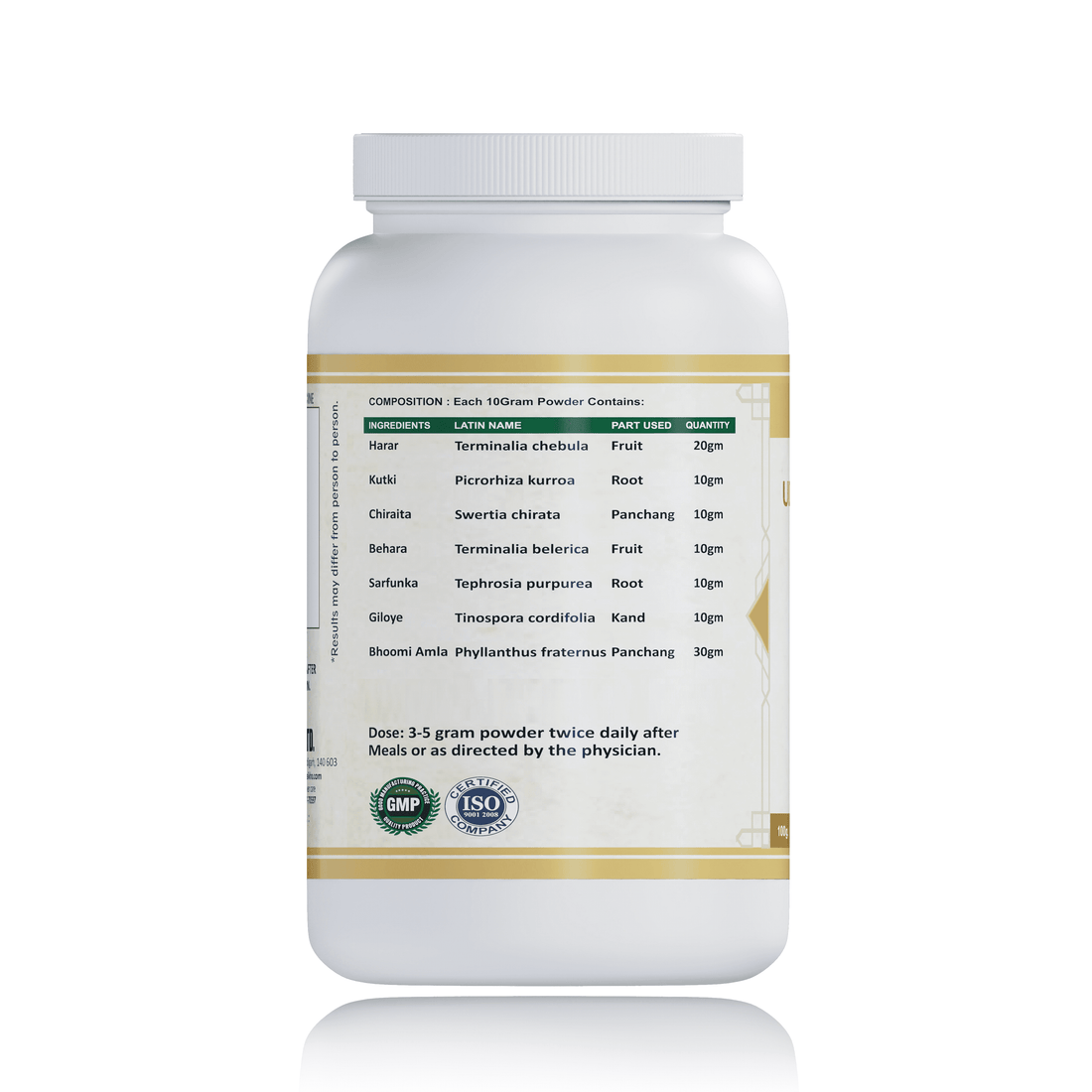
Uder Vikar Janya Rog Churna | Ayurvedic Liver Detox, Digestion & Immunity Support


Rakta+ Care Tablets – Ayurvedic support for Blood Purification, Clear Skin & Liver Detox


Rakt Shodhak Tablets | Ayurvedic Blood Purifier for Clear Skin, Detox & Immunity Support
Ayurvedic Liver Care: Natural Products for Liver Detox, Fatty Liver Management & Liver Health
Your liver performs over 500 functions every single day, such as filtering toxins, metabolising fat, producing bile, and regulating hormones that control your energy, mood, and immune response. Yet for most Indians, liver care never becomes part of the conversation until an ultrasound reveals fatty liver or a routine blood test shows elevated SGPT or SGOT levels. By that point, the liver has often been under metabolic strain for years.
At Jeena Sikho, we believe natural liver care and liver detox should start long before symptoms appear. Our Ayurvedic Liver Care collection is India's most comprehensive range of classical formulas that support and protect the liver — spanning daily detox tonics, fatty liver management kits, liver-protection capsules, and liver-supporting herbal teas. Every product is rooted in time-tested Ayurvedic science and guided by Acharya Manish Ji's expertise.
Whether you are managing diagnosed fatty liver, high levels of liver enzymes, weak digestion, or simply seeking daily Ayurvedic medicine for liver protection, this collection has a formulation designed for your specific concern. Explore India's most trusted Ayurvedic liver care range and start supporting this remarkable organ the way it deserves.
Liver Disease in India: The Silent Epidemic You Cannot Ignore
Liver disease has quietly become one of India's most urgent public health challenges. With changing diets, sedentary lifestyles, rising obesity rates, and widespread alcohol consumption, millions of Indians are living with liver damage they do not know about. The statistics are concerning:
-
India records over 10 lakh (1 million) liver-related deaths annually, according to WHO data
-
Non-Alcoholic Fatty Liver Disease (NAFLD) affects approximately 25–30% of urban Indians
-
Fatty liver is now increasingly detected in people aged 25–30 due to processed food and sedentary habits
-
Only approximately 30% of liver disease cases in India are diagnosed before Stage 3 (the cirrhosis risk threshold)
-
India accounts for nearly 18% of the global Hepatitis B burden
What makes this epidemic particularly dangerous is the concept of subclinical hepatic stress, the phase before Stage 1 where liver enzymes are still within the 'normal' range, yet the liver is already under significant metabolic pressure due to high triglycerides, insulin resistance, and increasing body fat. This is precisely the window where Ayurvedic intervention is most effective, and most underutilised. Understanding the stages of liver disease is the first step:
Stage |
Ayurvedic Term |
Condition |
Key Signs |
Improvement Potential |
|
Stage 1 |
Steatosis (Medo Sanchaya) |
Simple Fatty Liver (NAFLD) |
Often asymptomatic, mild fatigue, elevated SGPT |
HIGH IMPROVEMENT POTENTIAL — diet + Ayurveda |
|
Stage 2 |
Yakrit Shotha |
Liver Inflammation (NASH) |
Fatigue, right upper abdomen pain, bloating |
MAY IMPROVE with sustained intervention |
|
Stage 3 |
Yakrit Vriddhi / Fibrosis |
Liver Scarring / Fibrosis |
Jaundice, swelling in abdomen, weight loss |
PARTIALLY LIMITED IMPROVEMENT POTENTIAL— intensive care needed |
|
Stage 4 |
Yakrit Kshaya / Cirrhosis |
Advanced Scarring / Cirrhosis |
Ascites, jaundice, portal hypertension |
DIFFICULT— management only |
|
Stage 5 |
Yakrit Nirankush |
Liver Failure |
Confusion, bleeding, multi-organ impact |
Requires medical hospitalisation |
The Ayurvedic tradition recognised this progression centuries ago. Classical texts describe Yakrit Roga (liver disease) as a condition that starts with Agnimandya (weakened digestive fire) long before structural liver damage occurs. This makes preventive and early-stage Ayurvedic liver support one of the most clinically relevant healthcare interventions available to Indians today.
How to Know If Your Liver Is Struggling: Early Warning Signs
Signs your liver is struggling include persistent fatigue, unexplained weight gain especially around the abdomen, bloating after meals, a yellowish tinge to the skin or whites of the eyes (jaundice), dark urine, pain or heaviness in the upper right abdomen, elevated SGPT or SGOT in blood tests, and frequent nausea. These signs often appear after liver function has already declined significantly, making early Ayurvedic intervention critical.
Early Stage Signs — Ayurvedic Purvaroopa of Yakrit Vikara
-
Persistent fatigue and brain fog — impaired glycogen storage and detox capacity
-
Bloating, gas, and slow digestion after fatty or fried meals — Agni (digestive fire) impairment
-
Unexplained weight gain, particularly visceral belly fat — Medas Dushti (fat tissue disorder)
-
Bitter taste in the mouth, especially in the morning — Pitta reflux signal
-
Skin issues: acne, rashes, or itchy skin — toxin buildup exiting via skin when liver is overloaded
-
Easy bruising — reduced clotting factor production by the liver
-
Loss of appetite and nausea, especially with rich or oily foods
Advanced Stage Signs — Roopa of Yakrit Vikara
-
Jaundice — yellow skin or yellow eyes (Kamala in Ayurveda)
-
Dark cola-coloured urine — bilirubin overload
-
Upper right abdominal pain and tenderness
-
Swollen abdomen — ascites, fluid accumulation
-
High SGPT, SGOT, and ALP enzymes confirmed on blood tests
-
Swollen legs — fluid retention due to impaired albumin production
Ayurveda identifies Agnimandya (impaired digestive fire) as the root cause that precedes all liver conditions. When Agni weakens, Ama (undigested metabolic toxins) accumulates in the Yakrit (the liver). This early-detection framework, unique to Ayurvedic tradition, allows intervention at a stage when modern diagnostics may still show 'normal' results.
What Damages Your Liver? 10 Root Causes in Modern Medicine & Ayurveda
Liver damage usually does not happen overnight. It accumulates over years through daily habits, dietary patterns, and as Ayurveda uniquely identifies, disruptions to the body's natural rhythms. Understanding both modern and classical root causes empowers you to address the problem at its source.
Modern Medicine's Root Causes
-
Excess sugar and refined carbohydrates — fructose overload drives liver fat deposition
-
Alcohol — even moderate regular intake damages bile-forming cells progressively over time
-
Obesity and high BMI — 70% of obese individuals have some degree of fatty liver
-
Type 2 Diabetes and insulin resistance — a direct cause of NAFLD progression
-
Overuse of OTC painkillers, antibiotics, and statins - induced liver injury
-
Viral infections: Hepatitis A, B, and C
-
High triglycerides and LDL cholesterol
-
Sedentary lifestyle — physical inactivity increases liver fat deposition significantly
Ayurvedic Root Causes
-
Agnimandya — weakened digestive fire causing Ama accumulation in Yakrit (the liver)
-
Pitta-Kapha Dushti — excess heat (Pitta) combined with fat (Kapha) creating Shleshma-Pitta Vikara in the liver
-
Medoroga — fat tissue disorder (Meda Dhatu Dushti) that specifically targets the liver first
-
Viruddha Ahara — incompatible food combinations that generate hepatotoxic Ama
-
Ratri Jagarana — habitual late nights. Classical Ayurvedic texts align the liver's regeneration cycle with the 1–3 AM window in the Dinacharya body clock. Sleeping late directly impairs liver cell repair, an insight that aligns with modern chronobiology research showing peak liver metabolic activity between midnight and 3 AM.
Ayurvedic Science of Liver Health: Yakrit, Ranjaka Pitta & Medoroga
In Ayurveda, the liver is known as Yakrit, a Rakta Dhatu-dominant organ formed primarily from blood tissue. It is the seat of Ranjaka Pitta, the sub-dosha of Pitta responsible for blood formation, bile production, and metabolic transformation throughout the body. When Ranjaka Pitta is aggravated by accumulated Ama, it leads to Yakrit Shotha (liver inflammation), which is the Ayurvedic equivalent of what modern medicine now calls NASH (Non-Alcoholic Steatohepatitis).
Fatty liver, in Ayurvedic understanding, falls under Medoroga, a fat-tissue disorder where Meda Dhatu (fat tissue) is disproportionately formed and deposited, initially in the liver. The dosha imbalance determines the nature of the condition: Pitta imbalance manifests as SGPT elevation, inflammation, and hepatitis-type conditions. Kapha imbalance appears as fatty liver, obesity-related steatosis, and sluggish bile production. Vata imbalance drives liver fibrosis, malabsorption, and late-stage cirrhosis.
Ayurvedic liver treatment, therefore works in three phases: Agnideepana (stoking the digestive fire), Ama Pachana (burning accumulated toxins), and Yakrit Rasayana (liver rejuvenation and tissue rebuilding). A particularly important concept is Ranjaka Pitta Samshodhana, the specific purification process for liver Pitta. Unlike generic liver detox approaches, Ayurvedic treatment first identifies whether the excess is Pitta, Kapha, or combined Pitta-Kapha Sannipata (as in most fatty liver cases), then applies a dosha-specific procedure. This diagnostic precision is what distinguishes classical Ayurvedic liver care from generic supplement brands.
10 Powerful Ayurvedic Herbs for Liver Health, Detox & Fatty Liver Management
The most common ingredient in Ayurvedic liver cleanse supplements is Bhumi Amla (Phyllanthus niruri), it appears in nearly every classical Ayurvedic liver formulation. Alongside it, Kutki and Punarnava are the most frequently used liver herbs. At Jeena Sikho, all three and seven more proven hepatoprotective herbs are present across the Liver Care collection. Here is a complete reference to the herbs and where you will find them:
Herb |
Sanskrit / Botanical |
Key Liver Action |
Dosha Effect |
Found In |
|
Kutki |
Picrorhiza kurroa |
Stimulates bile production, reduces liver fat, hepatoprotective — 'Queen of liver herbs' in Ayurveda |
Pacifies Pitta-Kapha |
Livo Herb Shield, Liver Healer Tea |
|
Bhumi Amla |
Phyllanthus niruri |
Reduces SGPT/SGOT, hepatitis support, liver cell regeneration, anti-viral |
Pacifies Pitta |
Liv Balance, LVR Gut Detox Powder |
|
Kalmegh |
Andrographis paniculata |
King of Bitters — potent hepatoprotective, anti-inflammatory, reduces liver fat accumulation |
Pacifies Pitta-Kapha |
Livo Herb Shield, Yakrit Shoth Vati |
|
Punarnava |
Boerhavia diffusa |
Reduces liver inflammation, natural diuretic for ascites, liver + kidney tonic |
Pacifies Kapha |
LVR Gut Detox Powder, Liver Support Capsules |
|
Bhringraj |
Eclipta alba |
Liver cell regenerator — 'King of Herbs for Liver' in classical texts, traditionally used to support jaundice recovery |
Pacifies Pitta-Vata |
Livo Herb Shield |
|
Agyavardhini Vati |
Classical Ayurvedic compound |
Liver-specific classical formulation — enhances liver enzyme function, stimulates Agni, reduces Ama |
Balances all three doshas |
Liver Support Capsules |
|
Daru Haldi |
Berberis aristata |
Promotes bile secretion, hepatoprotective, anti-inflammatory, may help manage liver-related skin yellowing |
Pacifies Pitta |
LVR Gut Detox Powder |
|
Guduchi / Giloy |
Tinospora cordifolia |
Immunomodulatory, reduces liver inflammation, detoxifying, adaptogenic for liver under stress |
Pacifies all doshas |
Livo Herb Shield, Liver Healer Tea |
|
Amla |
Emblica officinalis |
Highest natural Vitamin C — antioxidant protection against liver cell oxidation, supports liver regeneration |
Pacifies Pitta |
Liver Healer Tea, GE-LIV Forte Syrup |
|
Sarpunkha |
Tephrosia purpurea |
Classical Yakrit Shopha herb — may reduce spleen-liver inflammation, bile stimulant |
Pacifies Pitta-Kapha |
Liver Support Capsules |
Kutki (Picrorhiza kurroa) — The Queen of Liver Herbs
Kutki is referenced in the Charaka Samhita under Tikta Skandha (the bitter group) for its capacity to stimulate bile production, protect hepatocytes from oxidative damage, and support liver fat metabolism, making it the primary herb in virtually every classical Ayurvedic liver formulation. Its Rasa (taste) is Tikta (bitter), Veerya (potency) is Sheeta (cooling), and its Karma (action) is Deepana-Pachana, meaning it both ignites Agni and burns Ama. Preliminary research suggests Kutki may support SGPT normalisation. Found in Livo Herb Shield and Liver Healer Herbal Tea.
Bhumi Amla (Phyllanthus niruri) — The Liver Enzyme Regulator
Bhumi Amla is Ayurveda's most documented hepatoprotective herb, referenced extensively across classical texts for Yakrit Vikara (liver disorders). Its Rasa is Tikta-Kashaya (bitter-astringent), Veerya is Sheeta, and its Karma is Yakrit Uttejaka directly stimulating liver function. Studies suggest Bhumi Amla may support reduction of elevated SGPT and SGOT levels and traditionally used in Ayurveda to address hepatitis-type conditions. Found in Liv Balance Capsules and LVR Gut Detox Powder.
Kalmegh (Andrographis paniculata) — The King of Bitters
Known as 'King of Bitters', Kalmegh's intense Tikta (bitter) Rasa makes it one of Ayurveda's most potent Pitta-Kapha pacifying herbs. Its Karma is Yakrit Shodhana, direct liver cleansing. Preliminary research indicates Kalmegh may have hepatoprotective and anti-inflammatory properties, and traditionally used in Ayurveda to support liver fat management. Its Veerya is Ushna (warming) in small doses, making it suitable for sluggish liver conditions. Found in Livo Herb Shield and Yakrit Shoth Vati.
Punarnava (Boerhavia diffusa) — The Liver & Kidney Tonic
Punarnava means 'that which renews the body' its name itself reflects its classical role in liver and kidney rejuvenation. Rasa is Madhura-Tikta-Kashaya, Veerya is Ushna, and Karma is Shothahara (anti-inflammatory) and Mutrala (diuretic). Traditionally used in Ayurveda to reduce liver inflammation and manage ascites (fluid in the abdomen) in advanced liver conditions. Studies suggest Punarnava may support liver enzyme normalisation. Found in LVR Gut Detox Powder and Liver Support Capsules.
Bhringraj (Eclipta alba) — The King of Herbs for Liver
Bhringraj holds the classical title of 'Kesharaja' king of herbs — and in liver care, it functions specifically as a Yakrit Rasayana (liver rejuvenator). Its Rasa is Tikta-Kashaya, Veerya is Ushna, and Karma is Yakrit Uttejaka and Rasayana. Traditionally used in Ayurveda to support jaundice recovery and liver cell regeneration. Preliminary research suggests Bhringraj may have hepatoprotective properties. Found in Livo Herb Shield.
Guduchi / Giloy (Tinospora cordifolia) — The Immunity & Liver Adaptogen
Guduchi is one of Ayurveda's Tridoshahara herbs it calms all three doshas, making it uniquely suited to the multi-dosha nature of liver disease. Its Rasa is Tikta-Kashaya, Veerya is Ushna, and Karma is Rasayana and Deepana. Studies suggest Giloy may have immunomodulatory and anti-inflammatory properties that may support liver health. Traditionally used in Ayurveda for liver stress arising from infections, medications, or chronic metabolic overload. Found in Livo Herb Shield and Liver Healer Herbal Tea.
Best Ayurvedic Liver Care Products at Jeena Sikho
Whether you need an ayurvedic medicine for fatty liver management, a daily herbal liver tonic, liver detox supplements, or a complete 30-day liver care kit, Jeena Sikho's Liver Care collection has a formulation designed for your specific concern. Every product is crafted under AYUSH-compliant guidelines using classical Ayurvedic herbs that have supported liver health for thousands of years.
Fatty Liver Management Products
For those managing diagnosed fatty liver (NAFLD/NASH) or elevated SGPT, the Fatty Liver Daily Reversal Kit, Liv Balance Capsules (Bhumi Amla, Punarnava, Makoy), and Livo Herb Shield Capsule (Kalmegh + Kutki + Guduchi + Bhringraj) form the most targeted Ayurvedic combination. These formulations specifically address the Pitta-Kapha Sannipata pattern underlying most fatty liver presentations.
Liver Detox Syrups & Juices
Liver care juice ( Yakrit Care Ras), GE-LIV Forte Syrup (Liver + Spleen Health + Digestion), Aloe Detox Juice (Immunity + Liver Rejuvenation), and Haldi Trikatu Care Juice (Immunity + Liver Support) provide daily liver support in liquid form, ideal for those who prefer tonics and syrups over capsules or who want to layer liquid and capsule support for comprehensive liver care.
Liver Capsules & Tablets
LIV-DS Capsules (Liver Function + Natural Detox), LIV Shuddhi Tablets (Liver Cleansing + Enzyme Balance), Liver Support Capsules (Agyavardhini Vati + Punarnava Mandoor + Sarpunkha), and Yakrit Shoth Vati (Liver Inflammation Support) address liver health from multiple Ayurvedic angles like enzyme function, Ama clearance, inflammation reduction, and classical hepatoprotection.
Liver Detox Powder
LVR Gut Detox Powder (Bhumi Amla + Daru Haldi + Punarnava) formulated under Acharya Manish Ji's guidance is the collection's flagship Ayurvedic detox powder. Designed for Stage 1 of the Yakrit Shodhana method, it targets Ama clearance and Agni restoration, making it the ideal starting point for a structured liver detox program.
Liver Healer Herbal Tea
Liver Care Herbal Tea (Giloy + Punarnava + Amla) offers gentle, daily liver wellness support in the most accessible format. The combination of Tridoshahara Giloy, anti-inflammatory Punarnava, and antioxidant Amla makes this an ideal morning ritual tea for anyone seeking consistent natural liver detox as part of their dinacharya (daily routine).
Complete 30-Day Liver Care Kit
The Liver Care Package — Dr Immune + Dr Shuddhi Powder + Liv-DS Capsules + 32 Herbs Tea — is Jeena Sikho's most comprehensive Ayurvedic liver care solution, designed for a full 30-day Yakrit Shodhana cycle. Ideal for those who want a structured, guided Ayurvedic liver care program rather than individual product selection.
Liver Friendly Diet: Best Foods, Healing Juices & 7-Day Liver Cleanse Plan
Diet is not an addition to liver treatment in Ayurveda, in fact, it is the foundation. The concept of Pathya Ahara (therapeutic diet) is central to Yakrit Shodhana (liver cleansing). What you eat daily either fuels liver regeneration or accelerates liver damage. Here is what the best Ayurvedic and evidence-based nutritional guidance recommends:
Best Foods for Liver Health
-
Garlic — activates liver enzymes that flush carcinogens, contains allicin (Ayurvedic: Lasuna — Pitta-Kapha pacifying)
-
Beets — betaine may support liver cell function and bile flow, Ayurvedic: purifies Rakta Dhatu
-
Leafy greens — may neutralise heavy metals and pesticides, chlorophyll supports bile duct cleansing
-
Walnuts — high arginine content traditionally associated with liver support, rich in omega-3 to reduce liver inflammation
-
Turmeric (Haldi) — curcumin is one of the most studied hepatoprotective compounds, stimulates bile production
-
Amla (Indian Gooseberry) — highest natural Vitamin C, liver antioxidant and traditional liver regenerative
-
Green tea — EGCG catechins associated with NAFLD protection, preliminary research suggests reduction of liver fat
-
Lemon water — stimulates bile production and supports Phase 1 and Phase 2 liver detoxification
-
Papaya — papain enzyme may improve fat digestion, seeds contain carpaine associated with liver support
-
Cruciferous vegetables (broccoli, cauliflower) — glucosinolates traditionally used to stimulate liver detox enzymes
Foods to Strictly Avoid for Liver Health
-
Alcohol — even 1–2 drinks daily accumulates as a liver toxin over the years, Ayurveda classifies it as Abhishyandi (channel-blocking)
-
High-fructose corn syrup and added sugars primary driver of NAFLD, more hepatotoxic than dietary fat
-
Refined white flour, white rice, maida — cause insulin spikes that deposit liver fat
-
Trans fats and hydrogenated oils (vanaspati, dalda) — direct liver-harming effect
-
Processed meats: sausages, salami, canned meats — high preservatives and saturated fat burden on liver
-
Excess salt — sodium causes water retention that stresses the liver-kidney axis
Best Juices for Liver Health
Juice |
Key Hepatoprotective Ingredient |
Liver Action |
Ayurvedic Equivalent |
|
Amla Juice |
Vitamin C + Emblicanin A & B |
Reduces SGPT, regenerates liver cells, strongest antioxidant |
Amalaki Swarasa — Charaka Samhita |
|
Beetroot + Carrot |
Betaine + Beta-carotene |
Activates liver enzymes, purifies blood (Rakta Shodhana) |
Shaka Varga — Rakta Prasadana |
|
Ginger + Lemon |
Gingerols + Citric acid |
Stimulates bile flow, reduces liver inflammation |
Ardraka + Nimbu — Pachana + Deepana |
|
Turmeric + Black Pepper |
Curcumin + Piperine |
Anti-inflammatory, hepatoprotective, bile production |
Haldi + Maricha — Pitta Shodhana |
|
Papaya Leaf Juice |
Carpaine + Papain |
Liver enzyme normaliser, platelet support in hepatitis |
Papaya — Yakrit Deepana |
|
Wheatgrass |
Chlorophyll + Enzymes |
Detoxifies liver, removes heavy metals, neutralises Ama |
Durva — Pitta Shaman |
Vitamins, Lifestyle Changes & Daily Habits That Heal Your Liver
Ayurvedic herbs work most powerfully when combined with the right nutritional support and daily lifestyle structure. These are the vitamins and habits that have the strongest evidence base for liver health with their classical Ayurvedic equivalents:
Vitamin / Nutrient |
How It Helps the Liver |
Ayurvedic / Natural Source |
|
Vitamin E |
Reduces NASH inflammation; antioxidant protection for hepatocytes |
Wheat germ, sunflower seeds |
|
Vitamin C |
Regenerates liver cells; reduces oxidative stress; boosts glutathione |
Amla (10x more Vitamin C than orange) |
|
Vitamin D |
Low Vitamin D linked to faster fatty liver progression; regulates liver inflammation |
Sunlight + Bilva (Bael fruit) in Ayurveda |
|
B Complex (B12, B6, Folate) |
Essential for methionine cycle — critical for liver fat metabolism |
Wheat, legumes, Bhumi Amla |
|
Omega-3 Fatty Acids |
Reduces liver fat in NAFLD; anti-inflammatory for NASH |
Flaxseeds (Alsi), walnuts |
|
Glutathione |
Master liver antioxidant; NAC supports production |
Kutki, Bhumi Amla, Amla support glutathione |
|
Zinc |
Essential for liver enzyme function; deficient in most liver disease patients |
Sesame seeds, pumpkin seeds, Shatavari |
8 Lifestyle Changes for Liver Health
-
Sleep by 10 PM — Ayurvedic Dinacharya clock assigns liver regeneration to the 1–3 AM window, late nights directly impair this process
-
Exercise 30–45 minutes daily — aerobic exercise may reduce liver fat accumulation by up to 30%
-
Eliminate or severely limit alcohol — even 'healthy' red wine accumulates as a liver toxin over time
-
Lose 5–10% of body weight if overweight — the most impactful single intervention for NAFLD reversal in clinical practice
-
Reduce fructose and added sugar — research suggests this is more damaging to the liver than dietary fat
-
Drink 2.5 litres of water daily — supports bile production and urinary excretion of liver toxins
-
Avoid unnecessary medications — paracetamol overuse is a leading cause of liver injury globally
-
Practice Virechana (Ayurvedic therapeutic purgation) annually — classical liver detox procedure described in the Charaka Samhita
Can Fatty Liver Be Improved? Ayurvedic Treatment Protocol & Timeline
Fatty liver can be improved, especially in Stage 1 (simple steatosis) and Stage 2 (early NASH). With a consistent combination of Ayurvedic herbs, dietary changes, and lifestyle modifications, Stage 1 fatty liver can show measurable improvement in 4–8 weeks, with significant reversal possible in 3–6 months. The earlier the intervention, the faster the response.
3-Stage Ayurvedic Reversal Protocol
-
Stage 1 — AGNIDEEPANA + AMA PACHANA (Weeks 1–4): Stimulate digestive fire and burn accumulated Ama toxins. Recommended products: LVR Gut Detox Powder, Yakrit Care Juice. Diet: eliminate sugar, alcohol, and maida completely. Lifestyle: sleep by 10 PM, 30-minute morning walk daily.
-
Stage 2 — YAKRIT SHODHANA (Months 1–3): Deep liver cleansing with Liver-protecting herbs to reduce liver enzyme levels. Recommended products: Livo Herb Shield, Liver Support Capsules, LIV-DS Capsules, Yakrit Shoth Vati. Track SGPT/SGOT via blood test every 6–8 weeks.
-
Stage 3 — YAKRIT RASAYANA (Months 3–6+): Rejuvenate and rebuild liver tissue for sustained enzyme normalisation and fat clearance. Recommended products: Liv Balance Capsules, 30-Day Liver Care Package. Focus on liver cell regeneration confirmed by follow-up ultrasound.
Fatty Liver Reversal Timeline
Timeline |
What Changes |
Marker to Track |
Ayurvedic Stage |
|
Week 1–2 |
Reduced bloating, better digestion, less fatigue |
Reduced gas and heaviness after meals |
Ama reduction begins (Pachana phase) |
|
Week 3–4 |
Improved energy, reduced belly heaviness |
Ultrasound shows mild improvement in echogenicity |
Agnideepana complete — Shodhana begins |
|
Month 2–3 |
SGPT/SGOT levels begin to normalise |
Blood test improvement 20–40% |
Yakrit Shodhana active phase |
|
Month 3–6 |
Significant fat reduction in liver |
Ultrasound: Grade 1 may clear, Grade 2 reduces to Grade 1 |
Rasayana phase — tissue regeneration |
|
Month 6+ |
Full reversal possible for Stage 1–2 |
Normal SGPT, SGOT, clear or near-clear ultrasound |
Maintenance + Rasayana prevention |
Natural Liver Detox: 3-Day Protocol, What to Expect & Signs It's Working
A natural liver detox works best when it combines liver-supporting herbs, liver-friendly foods, and strategic elimination of liver stressors simultaneously. This 3-day Ayurvedic liver detox protocol is designed around the Pachana-Deepana principle, first eliminating Ama then activating Agni for maximum effectiveness:
Time |
Day 1 |
Day 2 |
Day 3 |
Notes |
|
6 AM |
Warm lemon water + Liver Healer Herbal Tea |
Amla juice + Liver Healer Herbal Tea |
Beetroot + ginger juice + Yakrit Care Juice |
Drink on empty stomach |
|
8 AM |
Moong dal with turmeric + papaya |
Oats + flaxseeds + apple |
Poha with veggies + coconut water |
Light, no oil breakfast |
|
10 AM |
LVR Gut Detox Powder with warm water |
Livo Herb Shield capsule with water |
LIV-DS Capsule + LVR powder |
As per product dosage |
|
12 PM |
Brown rice + steamed greens + lemon |
Quinoa + dal + beet salad |
Khichdi + lauki + light curd |
No fried food |
|
4 PM |
Herbal tea (no sugar) + walnuts |
Green tea + handful sprouts |
Amla juice + pumpkin seeds |
Avoid caffeine |
|
7 PM |
Light soup + steamed broccoli + roti |
Moong dal + stir-fried veggies |
Clear vegetable soup + moong dal |
Eat before 8 PM |
|
Avoid |
Alcohol, sugar, maida, fried food, red meat |
Same as Day 1 |
Same as Day 1 |
Strict for 3 days |
Signs Your Liver Detox Is Working
-
Increased urination — the liver is flushing toxins via the kidneys (normal and positive)
-
Mild headache or fatigue in the first 24–48 hours — a temporary cleansing effect - like reaction as toxins mobilise into circulation
-
Looser or changed bowel movements — increased bile production improves fat digestion
-
Skin breakouts in the first 2–3 days — toxins exiting via skin before renal clearance catches up
-
Improved energy from Day 3 onwards — liver efficiency beginning to improve
-
Reduced bloating and a lighter feeling after meals — Agni improving
-
Clearer eyes — reduced bilirubin and toxin load
-
In Ayurveda: clearing of Sama Jihva (coated tongue) and reduced bitter taste in the morning are common good indicators
These temporary symptoms are explained in Ayurveda by the concept of Srotas Mukti, the opening of blocked channels, specifically Rasavaha and Raktavaha Srotas, during active liver detox. When detox begins working, these channels open and temporarily move stored toxins into circulation before elimination, which explains why people briefly feel worse before feeling significantly better.
Liver Disease vs Fatty Liver vs Liver Failure: Understanding the Difference
These three terms are often used interchangeably, but they describe very different conditions with different causes, outcomes, and treatment approaches. Understanding the distinction is essential for choosing the right Ayurvedic intervention:
Condition |
Ayurvedic Name |
Cause |
Improvement Potential |
Ayurvedic Approach |
|
Fatty Liver (NAFLD) |
Medoroga / Medo Yakrit |
Fat accumulation, insulin resistance, diet |
HIGH IMPROVEMENT POTENTIAL (Stage 1–2) |
Agnideepana + Lekhana herbs |
|
Liver Inflammation (NASH) |
Yakrit Shotha |
Inflamed fat cells, oxidative stress |
MAY IMPROVE with care |
Pitta Shodhana + Yakrit Shodhana |
|
Liver Fibrosis |
Yakrit Vriddhi |
Scar tissue formation from repeated injury |
LIMITED IMPROVEMENT POTENTIAL |
Rasayana + Brimhana therapy |
|
Cirrhosis |
Yakrit Kshaya |
Permanent scarring, loss of function |
DIFFICULT — management only |
Palliative Rasayana + diet |
|
Liver Failure |
Yakrit Nirankush |
Complete organ failure |
REQUIRES medical emergency |
Supportive Ayurveda only |
Why Choose Jeena Sikho for Liver Care?
-
GMP-certified manufacturing under AYUSH-compliant guidelines
-
Formulations guided by Acharya Manish Ji, classical Ayurvedic expertise across the LVR Gut Detox range and broader liver care collection
-
Classical herb references: Charaka Samhita, Sushruta Samhita, Ashtanga Hridayam, not marketing claims but documented Ayurvedic procedures
-
Free Water Testing Kit with every order, a unique differentiator in the Ayurvedic health sector
-
Expert Ayurvedic consultation available, Jeena Sikho is not just a product seller but a complete Ayurvedic wellness ecosystem
Your liver works 24 hours a day to keep you healthy, it deserves your attention. Explore Jeena Sikho's complete Ayurvedic Liver Care range from daily detox teas and liver-support capsules to complete 30-day fatty liver management kits. Every product is crafted with classical Ayurvedic herb wisdom, the depth of Acharya Manish Ji's guidance, and your long-term liver health in mind. Start your liver care journey today.
Frequently Asked Questions About Liver Care & Ayurvedic Treatment
Q1: How do I know if my liver is healthy?
A healthy liver typically presents with consistent energy levels throughout the day, clear skin, normal digestion without bloating after meals, clear pale-yellow urine, and blood tests showing normal SGPT (below 40 U/L), SGOT (below 40 U/L), ALP, and bilirubin. In Ayurveda, Ranjaka Pitta balance is assessed through clear eyes and a healthy pinkish skin tone, strong digestion, and the absence of a coated tongue in the morning. Yakrit Care Juice may be used as a daily support to maintain these classical indicators.
Q2: What is the best Ayurvedic medicine for fatty liver?
The most effective Ayurvedic herbs for fatty liver are Kutki, Bhumi Amla, Kalmegh, and Bhringraj, combined with classical formulations like Arogyavardhini Vati and Punarnava Mandoor. At Jeena Sikho, Livo Herb Shield contains all four key herbs, Kalmegh, Kutki, Bhringraj, and Guduchi, in a single liver-protective capsule. For complete management support, the Fatty Liver Daily Reversal Kit provides a structured multi-product approach. Best results are seen when herbs are combined with elimination of sugar, alcohol, and a fatty liver diet.
Q3: What is the best liver tonic in Ayurveda?
Kutki-based formulations are considered the best Ayurvedic liver tonic in traditional practice. Kutki stimulates bile production, reduces liver fat, and protects bile-forming cells from oxidative damage. GE-LIV Forte Syrup combines Kutki with other classical herbs for comprehensive liver tonic action in syrup form. For those who prefer a daily tea, Liver Healer Herbal Tea with Giloy, Punarnava, and Amla provides gentle, ongoing liver-protective support suitable for everyday use.
Q4: Can fatty liver be managed completely?
Fatty liver can be improved, very much so for Stage 1 and Stage 2. Stage 1 fatty liver (simple steatosis) is fully manageable with diet, lifestyle, and Ayurvedic herbs. Stage 2 (NASH) is manageable with sustained intervention over 3–6 months. Stage 3 fibrosis is partially manageable with intensive, consistent care. The two most impactful interventions are eliminating added sugar and achieving 5–10% body weight reduction. Ayurvedic Stage 1–2 reversal in 4–16 weeks is clinically supported when combined with appropriate lifestyle changes.
Q5: How to reduce fatty liver quickly?
The fastest evidence-based approach combines four interventions simultaneously, such as eliminating fructose and added sugars completely (the most impactful single change), doing 30 minutes of daily aerobic exercise, adding Kutki and Bhumi Amla-based herbs, and sleeping by 10 PM to allow the liver's 1–3 AM regeneration window. Patients who consistently apply all four interventions typically see measurable SGPT improvement within 3–4 weeks. Jeena Sikho's Fatty Liver Tablets and combo Kit provides the structured herbal component of this rapid reduction protocol.
Q6: How long does fatty liver treatment take in Ayurveda?
Stage 1 fatty liver typically shows first measurable improvement in 4–6 weeks with Ayurvedic herbs plus dietary changes. Complete management of Stage 1 usually requires 2–4 months. Stage 2 (NASH) typically needs 4–8 months of consistent intervention. Results are directly dependent on diet compliance, elimination of alcohol and sugar, and lifestyle adherence alongside herbs. Regular SGPT and SGOT blood tests every 6–8 weeks are recommended to track progress objectively.
Q7: What is the natural liver detox timeline?
Days 1–3: increased urination and possible mild fatigue as toxins mobilise. Days 4–7: improved energy, reduced bloating, lighter digestion. Weeks 2–4: better appetite, clearer skin, reduced heaviness after meals. Months 1–3: blood test improvements begin, with SGPT/SGOT trending downward. The 3-day liver detox protocol produces noticeable symptomatic improvement, whereas, the full 30-day Ayurvedic protocol produces measurable clinical changes confirmed on blood tests.
Q8: What vitamins help liver repair?
Vitamin E (reduces NASH inflammation), Vitamin C (liver cell regeneration — Amla is the best natural source with 10x the Vitamin C of an orange), Vitamin D (deficiency accelerates fatty liver progression), B Complex including B12, B6, and Folate (essential for fat metabolism in the liver), Omega-3 fatty acids (reduces liver fat in NAFLD), and Zinc (essential for liver enzyme function, deficient in most liver disease patients). Ayurvedic herbs like Amla, Bhumi Amla, and Kutki naturally supply many of these micronutrients together.
Q9: Is banana good for fatty liver?
Yes, in moderation. Bananas are beneficial for fatty liver when eaten ripe and limited to one per day as they contain resistant starch that feeds beneficial gut bacteria and may support liver health. However, overripe bananas have higher fructose content, which can worsen fatty liver if consumed in excess. Pairing a banana with a handful of nuts slows fructose absorption and reduces the glycaemic impact on the liver.
Q10: Can I take Ayurvedic liver medicine with allopathy?
Most Ayurvedic liver herbs, including Bhumi Amla, Kutki, and Punarnava, are generally compatible with standard liver medications, but you should always consult both your doctor and a qualified Ayurvedic practitioner (BAMS) before combining. Some herbs can influence how the body processes certain medicines through CYP450 liver enzymes, the same enzymes that process many prescription medications. Jeena Sikho particularly recommends professional consultation before combining Ayurvedic herbs with hepatitis treatments, cirrhosis medications, or statins.
Q11: What is a common ingredient in liver cleanse supplements?
In modern liver cleanse supplements, the most common ingredient is milk thistle (Silymarin). In Ayurvedic liver supplements, Bhumi Amla (Phyllanthus niruri) is the most prevalent, it appears in nearly every classical Ayurvedic liver formulation. Kutki and Punarnava are the next most common. All three of these foundational liver herbs are present across Jeena Sikho's Liver Care collection, formulated in classical combinations that amplify their individual liver-protective effects.
Q12: What are the signs of liver detox working?
Signs that your liver detox is working include increased urination as toxins exit via the kidneys, improved energy from Day 3 onwards, reduced bloating after meals, a temporary mild headache or fatigue in the first 48 hours as toxins mobilise, clearer skin, a lighter feeling after eating, and better sleep quality. In Ayurveda, the clearing of Sama Jihva (coated tongue) and reduced bitter taste in the morning are classical positive signs of Ama clearance and improving Ranjaka Pitta function.
Q13: Are Jeena Sikho liver products AYUSH certified?
Jeena Sikho liver care products are proprietary Ayurvedic formulations manufactured under GMP-certified facilities and comply with AYUSH Ministry guidelines for Ayurvedic medicines.
Q14: Is fish oil good for fatty liver?
Yes — fish oil (Omega-3 fatty acids EPA + DHA) has strong clinical evidence for reducing liver fat in NAFLD. Studies indicate that 2–4g daily of Omega-3 may reduce liver fat by 15–25% over 12 weeks. For vegetarians and vegans, flaxseed oil (Alsi) provides ALA, a plant-based Omega-3 with partial conversion to EPA and DHA. The Ayurvedic equivalent is flaxseeds (Alsi) and walnuts as daily liver-support foods both referenced in Ayurvedic texts under Sneha Varga for their Pitta-pacifying and Rakta-shodhan properties.


